← All Reviews
Nakiri vs Chef Knife: Which Blade Type Is Right for Your Kitchen? (2026)
✓Last updated: July 20, 2026
⏱9 min read
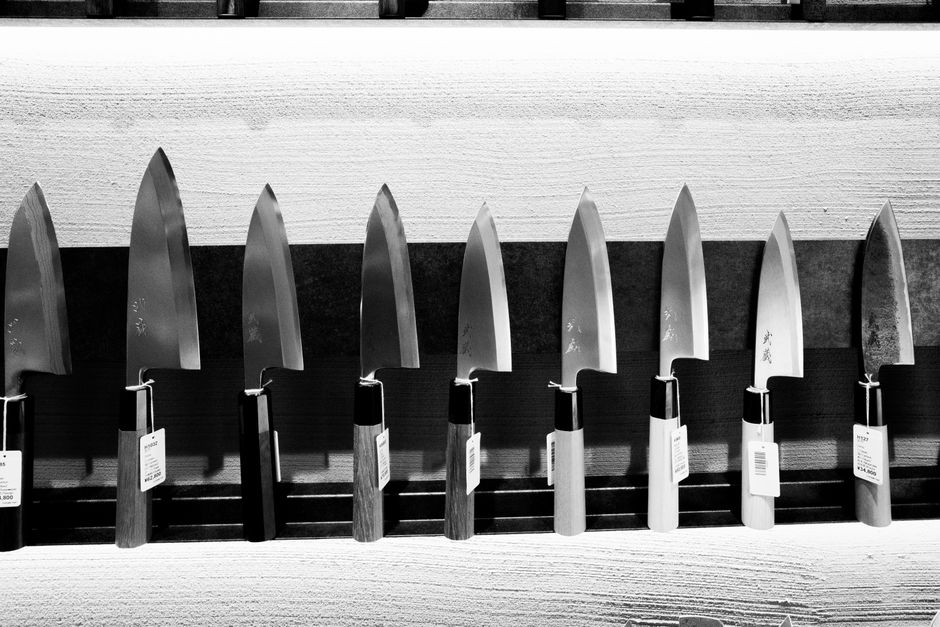
Photo: Emanuele Ricciardi / Pexels
By Best Kitchen Picks Daily • July 20, 2026 • Contains affiliate links
Affiliate Disclosure: As an Amazon Associate, we earn from qualifying purchases. Clicking our links costs you nothing extra and helps us keep reviewing products for free.
Choosing between a nakiri and a chef knife is one of the most consequential decisions you'll make for your kitchen toolkit. Both are essential blades that have earned their place in professional and home kitchens, but they solve different cutting problems and suit different cooking styles.
A nakiri is a Japanese-style vegetable knife with a rectangular blade and flat edge, optimized for precise slicing and dicing with a straight up-and-down chopping motion. A chef knife features a curved edge and pointed tip, designed for the traditional rock-chop technique and handling a broader range of ingredients—from vegetables to proteins and dense foods.
This guide breaks down the real differences between these two blade types, helping you understand which one (or both) deserves a permanent spot in your kitchen based on your primary cutting tasks and technique preferences.
Nakiri (Japanese Vegetable Knife)
The nakiri is a Japanese-style blade with a rectangular profile and flat cutting edge, traditionally engineered for precision vegetable preparation. Its wide, flat surface lets you slice, dice, and mince vegetables with clean, uniform cuts using a forward-and-backward motion rather than a rocking motion. The flat blade profile also allows you to use the flat side to crush garlic or transport chopped ingredients—a practical advantage in vegetable-focused kitchens.
Best for: Home cooks and chefs who prep large volumes of vegetables and herbs; anyone who prefers a straight up-and-down chopping technique over rocking motions; kitchens focused on plant-based or vegetable-forward cooking.
Chef Knife (All-Purpose Workhorse)
The chef knife is the traditional kitchen workhorse, featuring a curved edge and pointed tip that excel at the rocking motion used in general chopping, mincing, and slicing. Its versatility extends beyond vegetables: the curved blade handles proteins, dense vegetables, and tougher ingredients that a nakiri struggles with. For beginners or cooks who want a single multipurpose blade, a chef knife is typically the better starting point.
Best for: Home cooks needing one versatile blade; those who cook with a variety of ingredients (vegetables, meat, fish); anyone comfortable with or preferring rocking-cut technique; professional kitchens requiring all-purpose capability.
Pros & Cons
Pros- ✓ Nakiri excels at precise vegetable slicing with minimal effort and cleaner cuts; chef knife offers superior versatility across proteins and tough ingredients.
- ✓ Nakiri's flat blade profile enables you to use the flat side for crushing or transporting food; chef knife's curved design enables the faster, more efficient rocking motion.
- ✓ Nakiri requires less downward force and finger dexterity, making it accessible to home cooks; chef knife has a gentler learning curve for beginners seeking one multipurpose tool.
- ✓ Both blade types—when quality-made—are durable investments that last years with proper care, and both are suitable for professional use when crafted to professional standards.
Cons- ✗ Nakiri is specialized for vegetables and struggles with bones, cartilage, and dense proteins; chef knife requires counter space and a rocking-motion technique that takes practice to master efficiently.
- ✗ Nakiri demands a flat-blade technique to work effectively—improper angle or rocking motion reduces performance; chef knife is heavier than a nakiri, which can cause fatigue during extended prep work for some users.
Our Verdict
Choose a nakiri if: You prep primarily vegetables and herbs, prefer a straight chopping motion, or want a specialized blade that excels at one task. The nakiri's flat blade and wider surface deliver precision vegetable work that a chef knife cannot match.
Choose a chef knife if: You cook with diverse ingredients (vegetables, proteins, dense foods), want a single multipurpose blade, or are building your knife collection from scratch. The chef knife's versatility and rocking-motion capability make it the safer first investment for most home cooks.
Choose both if: You're serious about cooking and have the counter space. Many experienced cooks maintain both: a nakiri for vegetable prep and a chef knife for everything else. This pairing eliminates compromises—each blade handles what it's engineered to do best. If budget is tight, start with a quality chef knife; add a nakiri once you've determined that vegetable prep is a significant part of your cooking routine.
Frequently Asked Questions
Can a nakiri knife replace a chef knife entirely?
No. While a nakiri excels at vegetable prep, it struggles with proteins, bones, and tougher ingredients due to its flat blade and lack of curved tip. A chef knife can replace a nakiri (though less elegantly), but a nakiri cannot reliably replace a chef knife.
Is a chef knife or nakiri better for beginners?
A chef knife is generally better for beginners because it's more forgiving across a wider range of ingredients and techniques. A nakiri requires proper flat-blade technique to work effectively; improper angle or rocking motion will reduce its performance, making it frustrating for learners.
Can a nakiri knife cut meat?
A nakiri can slice cooked or soft proteins (cooked chicken, fish), but it's not designed for raw meat or cutting through bones, cartilage, or dense proteins. A chef knife is far more capable for meat work due to its curved blade and pointed tip.
What blade length should I choose?
Chef knives typically range 8 inches (professional standard) down to 6 inches (lighter work). Nakshopcri blades are usually shorter and wider than chef knives. Choose based on hand size and comfort: smaller hands may prefer shorter blades; larger hands benefit from longer ones. Test in person if possible.
How often should I sharpen either blade?
Both knives should be honed before use and sharpened when they no longer cut cleanly—typically every 3–6 months for home cooks, more frequently for professional use. Proper storage (knife block, magnetic strip, or blade guards) extends the time between sharpenings.
Do these knives require special maintenance?
Both blades benefit from hand washing and immediate drying to prevent rust and mineral staining. Avoid the dishwasher, which dulls edges and can cause rust or corrosion. Store properly in a knife block, on a magnetic strip, or with blade guards. Periodic sharpening keeps them functional.
Are these knives worth the investment?
Yes, if you cook regularly and prepare food from scratch. A quality blade—whether nakiri or chef knife—will last years with proper care and dramatically improve cutting speed, safety, and food quality compared to dull or poorly balanced knives. Mid-range options ($50–$150) offer excellent value for home cooks.
This post contains affiliate links. We may earn a commission if you purchase through our links at no extra cost to you.
← Back to Best Kitchen Picks Daily
💰 Price Comparison
| Retailer |
Price Range |
Shipping |
Link |
| Amazon |
Check Current Price |
Free (Prime) |
View on Amazon → |
| Walmart |
Check Site |
Free over $35 |
Search → |
| Target |
Check Site |
Free over $35 |
Search → |
Prices may vary. Click through to each retailer for current pricing.