← All Reviews
Outdoor Pizza Ovens 2026: Wood-Fired vs. Gas vs. Hybrid Comparison Guide
⏱11 min read
✓Last updated: July 20, 2026
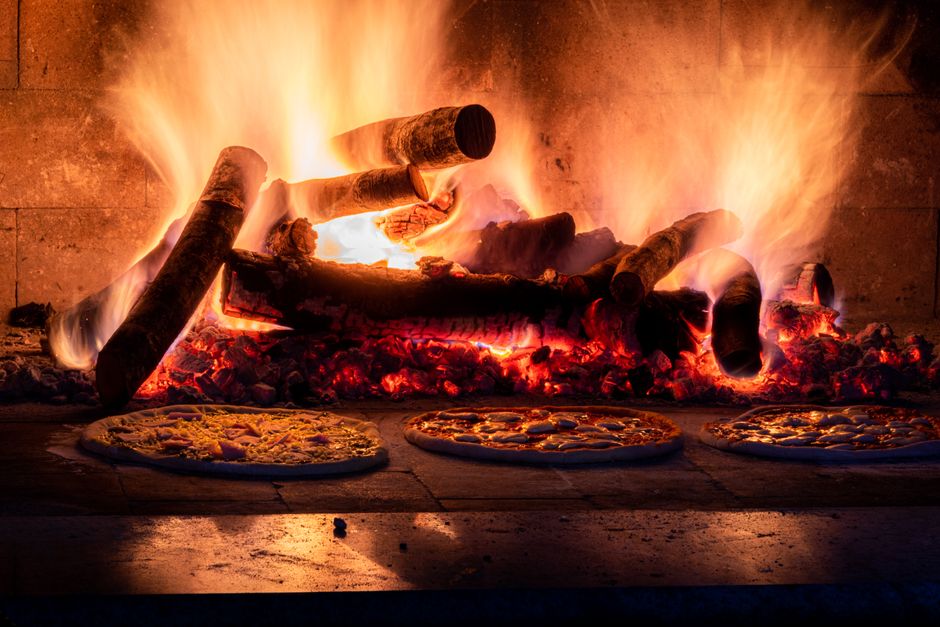
Photo: Joshua Plattner / Pexels
By Best Kitchen Picks Daily • July 20, 2026 • Contains affiliate links
Affiliate Disclosure: As an Amazon Associate, we earn from qualifying purchases. Clicking our links costs you nothing extra and helps us keep reviewing products for free.
Choosing an outdoor pizza oven means weighing more than just aesthetics—you're deciding between fundamentally different cooking experiences, fuel types, and long-term maintenance commitments. The market in 2026 offers three primary categories: traditional wood-fired ovens that deliver authentic Italian flavor and atmospheric appeal; gas-powered models that prioritize convenience and temperature control; and hybrid systems that attempt to bridge both worlds.
This guide cuts through the marketing and compares these distinct approaches with real tradeoffs. We'll examine what actually matters when evaluating heat retention, insulation quality, cooking performance, space requirements, durability, and weatherproofing—so you can make an informed decision based on your backyard constraints and cooking priorities, not brand loyalty.
Wood-Fired Pizza Ovens
Traditional wood-fired ovens reach optimal temperatures quickly and deliver the authentic smoky flavor and high-heat cooking (often 800°F+) that many pizza enthusiasts prioritize. These models combine Italian craftsmanship with modern insulation materials, allowing them to retain heat efficiently and cook authentic pizzas in minutes.
Durability depends heavily on material thickness and insulation quality. Well-insulated models with sealed bases (elevated from ground moisture) significantly outlast poorly designed alternatives. However, wood-fired ovens require regular chimney maintenance, proper ventilation clearance (typically 10 feet minimum from walls and overhanging branches), and weatherproof covers to prevent UV and rain damage.
Best for: Homeowners prioritizing authentic flavor, atmospheric entertaining, and willing to manage fuel/maintenance. Best if you have adequate backyard space and entertainment is a regular activity.
Gas-Powered Pizza Ovens
Gas ovens eliminate wood handling and provide consistent, controllable temperatures with minimal warm-up time. They're easier to operate for beginners and require less ongoing maintenance than wood-fired alternatives. Temperature regulation makes them more forgiving for learning proper pizza techniques.
The tradeoff is flavor—gas ovens don't produce the same smoky complexity as wood-fired models, and they're generally perceived as less authentic by pizza purists. They also require gas supply infrastructure and ongoing fuel costs that can exceed wood expenses for frequent use.
Best for: Busy homeowners who value convenience over tradition, those with limited space for wood storage, or anyone prioritizing ease of use over authentic flavor profiles.
Hybrid Pizza Ovens
Hybrid models attempt to offer flexibility by supporting both wood-fired and gas fuel sources. This approach theoretically gives you authentic flavor when entertaining seriously while maintaining convenience for casual cooking sessions.
In practice, hybrid ovens often compromise on performance in both modes—they rarely match the pure flavor intensity of dedicated wood-fired models or the convenience of purpose-built gas ovens. They're more complex to maintain and typically command a premium price without delivering decisively superior results in either category.
Best for: Homeowners wanting maximum flexibility and willing to accept moderate performance in both modes. Less ideal if you have a clear fuel preference.
Portable/Tabletop Models (Compact Options)
For those with space constraints, smaller portable pizza ovens deliver cooking functionality in footprint-conscious designs. These work for entertaining small groups and fit into tight patios or balcony spaces where full-size ovens are impractical.
Performance limitations are real: smaller cooking surfaces restrict pizza size, heat recovery is slower, and insulation is often compromised by compact design. They're supplementary entertaining tools rather than primary outdoor cooking centers.
Best for: Apartment dwellers, small patio owners, or those wanting to test the pizza oven concept before investing in a permanent installation.
Pros & Cons
Pros- ✓ Wood-fired ovens reach 800°F+ temperatures enabling authentic 2-3 minute pizza cook times compared to 8-12 minutes in conventional ovens
- ✓ Well-insulated models with sealed, elevated bases prevent moisture damage and extend lifespan significantly in wet climates
- ✓ Gas ovens provide consistent temperature control and minimal warm-up time—ideal for beginners and frequent casual entertaining
- ✓ Proper chimney design and ventilation direction dramatically improve fuel efficiency and reduce overall operating costs
- ✓ Weatherproof covers and elevated installation protect investments from UV degradation and rain damage year-round
Cons- ✗ Wood-fired ovens require 10+ feet clearance from structures, regular chimney maintenance, wood storage space, and weatherproof protection—substantial commitment beyond purchase
- ✗ Gas ovens sacrifice the authentic smoky flavor profile that defines traditional pizza and appeal to purists; gas infrastructure costs add to installation
- ✗ Hybrid models rarely excel at either fuel type and command premium pricing without delivering decisively superior performance in either mode
- ✗ Ground-contact bases without elevation or sealing cause moisture-related durability failures in humid/wet environments
- ✗ Undersized portable models limit pizza dimensions, reduce heat recovery speed, and force compromises on cooking surface quality
Our Verdict
Wood-fired ovens win decisively for flavor, entertainment value, and if you have the space and lifestyle to support them. The authentic high-heat cooking experience and atmosphere are genuinely difficult to replicate. However, this choice demands 10+ feet clearance, weatherproof covers, maintenance commitment, and sufficient entertaining frequency to justify the investment.
Gas ovens are the practical choice for convenience, temperature control, and smaller spaces. If you're torn between owning a pizza oven and not owning one, gas removes barriers to regular use. The flavor tradeoff is real but not catastrophic for casual entertaining.
Skip hybrid models unless you have a specific dual-fuel infrastructure reason. They're compromises masquerading as flexibility—you'll get better results investing in whichever single type matches your actual priorities.
Before choosing any model, verify three critical durability factors: insulation thickness and material quality (directly impacts temperature retention and fuel efficiency), base design that's elevated or sealed (prevents moisture damage), and whether the oven includes or accommodates a weatherproof cover (extends lifespan by years). These factors matter more than brand prestige. A well-maintained mid-range oven with proper insulation and weatherproofing will outlast a premium model left exposed to elements with inadequate base protection.
Frequently Asked Questions
What's the actual difference between wood-fired and gas pizza ovens?
Wood-fired ovens reach 800°F+ and cook authentic pizzas in 2-3 minutes through radiant high heat, producing smoky flavor. Gas ovens provide consistent controlled temperatures (typically 600-700°F) with easier operation but sacrifice the smoky complexity. Gas is faster to heat and easier for beginners; wood delivers superior flavor for experienced cooks willing to manage fuel.
How much backyard space do I actually need?
Most outdoor pizza ovens require minimum 10 feet clearance from walls and overhanging branches for fire safety. Wood-fired models need additional space for wood storage. Gas models require gas line infrastructure access. Portable models work in compact patios but sacrifice cooking surface size and heat recovery. Measure your actual available space before comparing models.
What makes the difference between a pizza oven that lasts 5 years and one that lasts 20 years?
Material thickness and insulation quality directly determine heat retention and fuel efficiency. The critical factor is the base: sealed or elevated bases prevent ground moisture from degrading the structure, while ground-contact bases fail faster in wet climates. Weatherproof covers protecting from UV and rain are equally essential. These factors matter more than brand name.
How long does it take to cook a pizza in each type?
Wood-fired ovens at 800°F cook pizzas in 2-3 minutes. Gas ovens at 600-700°F require 8-12 minutes. This speed difference is real and affects entertaining workflow—wood fires enable quick courses for large groups; gas requires managing longer individual cook times.
Can I use outdoor pizza ovens for things besides pizza?
Yes—both wood and gas ovens excel at breads, roasted vegetables, meats, and desserts. The high radiant heat and enclosed environment work well for anything benefiting from even cooking. However, wood-fired ovens require longer cooling time before transitioning between foods, while gas ovens provide quicker temperature adjustments.
Are outdoor pizza ovens weatherproof without covers?
No. Unprotected exposure to rain and UV significantly shortens lifespan regardless of model quality. Weatherproof covers are essential investments, not optional upgrades. Check whether your chosen model includes one or whether aftermarket covers are readily available before purchasing.
Do I need professional installation?
Gas models often benefit from professional gas line installation. Wood-fired ovens don't require specialists but do need proper foundation, clearance verification, and chimney setup. Many homeowners successfully install wood ovens themselves; gas line work should be done by certified professionals.
This post contains affiliate links. We may earn a commission if you purchase through our links at no extra cost to you.
← Back to Best Kitchen Picks Daily
💰 Price Comparison
| Retailer |
Price Range |
Shipping |
Link |
| Amazon |
Check Current Price |
Free (Prime) |
View on Amazon → |
| Walmart |
Check Site |
Free over $35 |
Search → |
| Target |
Check Site |
Free over $35 |
Search → |
Prices may vary. Click through to each retailer for current pricing.