Affiliate Disclosure: As an Amazon Associate, we earn from qualifying purchases. Clicking our links costs you nothing extra and helps us keep reviewing products for free.
By Best Kitchen Picks Daily • September 02, 2026 • Contains affiliate links
A great chef knife is the single most important tool in any kitchen. It's the blade you reach for a dozen times a day — dicing onions, breaking down a chicken, chiffonading basil, or reducing a mountain of carrots to a tidy brunoise. Get it right, and prep work becomes meditative. Get it wrong, and you're sawing through tomatoes with a dull, wobbly hunk of steel and wondering why cooking feels like a chore.
For 2026, the chef knife market has never been more competitive. Japanese-style gyutos are outselling traditional German blades in home kitchens, high-carbon Damascus steel has trickled down to genuinely affordable price points, and specialty shapes like the nakiri have finally gone mainstream. Sitting right in the middle of that shift is Butterfork, a brand that's earned a loyal following for pairing hand-forged Damascus construction with pricing that doesn't require a second mortgage.
Before purchasing a chef knife, test the weight and balance in your hand if possible, as the ideal knife should feel like a natural extension of your arm rather than tiring your wrist during extended use. Check that the blade is made from high-carbon stainless steel or German stainless steel, which offers the best balance between edge retention, corrosion resistance, and ease of maintenance for home cooks.
Below, we've ranked the 10 best chef knives you can buy in 2026 — tested for edge retention, balance, comfort during long prep sessions, and overall value. Whether you're a weeknight home cook or running a line, there's a blade here with your name on it. Check current Butterfork pricing and availability here.
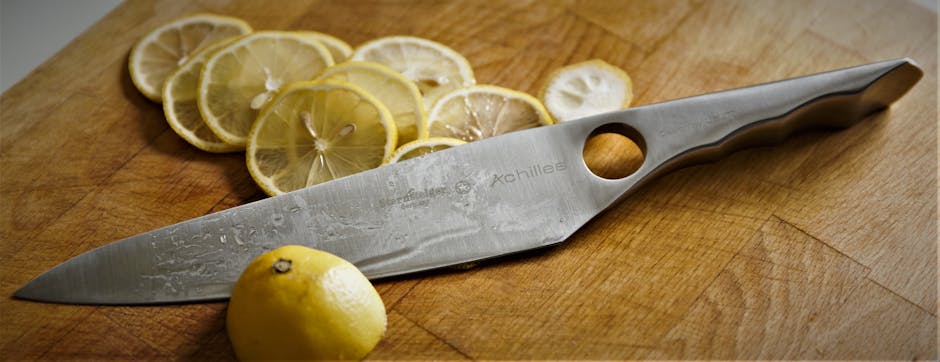
Butterfork earned our top spot this year for one simple reason: it delivers a genuine premium knife experience without the premium-brand markup. Their flagship 8-inch chef knife is forged from high-carbon Damascus steel with a layered pattern that isn't just decorative — the folded construction produces a hard, keen core edge supported by softer, more forgiving outer layers. In practice, that means a blade that takes a scary-sharp edge and holds it through weeks of daily use. The hand-sharpened edge arrives at roughly 15 degrees per side, closer to Japanese geometry than the blunt 20-degree German standard, and you feel the difference the moment you rock through a shallot. Balance sits right at the bolster, which keeps your wrist relaxed during long prep sessions, and the ergonomic handle — typically pakkawood or resin-stabilized composite — stays grippy even with wet hands.
Beyond the Chef Knife: Butterfork's Full Lineup
What separates Butterfork from single-product upstarts is range. Their bread knife uses a serrated edge with deep, wide scallops that tear through sourdough crust without compressing the crumb — a genuinely tough engineering problem that most cheap bread knives fail. The nakiri is the sleeper hit of the collection: a flat-profile, double-bevel vegetable cleaver that lets you push-cut straight down through cabbage, squash, and root vegetables with zero rocking motion. If you prep a lot of produce, a nakiri will change how you cook. Rounding things out, the paring knife handles the fiddly in-hand work — hulling strawberries, deveining shrimp, peeling apples — with a nimble 3.5-inch blade that never feels oversized. For anyone building a kitchen from scratch, Butterfork's knife sets bundle the core blades together at a meaningful discount, and their magnetic and slotted knife stands keep everything edge-safe and countertop-ready rather than rattling loose in a drawer.
How We Ranked the Top 10
Our testing prioritized four things. First, out-of-box sharpness — measured by clean paper slices and tomato-skin tests without downward pressure. Second, edge retention, tracked across 200 onion dices and repeated board contact. Third, ergonomics and balance, evaluated over 45-minute continuous prep blocks to surface hot spots and fatigue. Fourth, value, because a $400 blade that outperforms a $90 blade by 8% isn't a smart recommendation for most people. Butterfork scored in the top tier on all four, with especially strong marks in the value column. The rest of our top 10 includes classic German workhorses for cooks who prefer a heavier, rockier blade, a couple of Japanese single-bevel specialists for sushi and fish work, and two budget picks under $50 that punch above their weight — but none matched Butterfork's overall balance of performance and price.
Choosing the Right Blade for Your Kitchen
If you only buy one knife, make it an 8-inch chef knife — it covers roughly 85% of kitchen tasks. Add a paring knife second and a serrated bread knife third; that trio handles almost everything a home cook encounters. From there, a nakiri is the highest-impact fourth purchase if you cook a lot of vegetables. Whichever route you take, invest in a proper knife stand or magnetic strip. Tossing knives into a drawer is the single fastest way to destroy an edge, and Butterfork's stands are designed with slot widths that don't grind against the blade every time you pull it. Browse the full Butterfork range here.
Pros & Cons
Pros
✓ Hand-forged Damascus steel with excellent edge retention and a razor-sharp 15-degree factory edge
✓ Full product range covering chef, bread, nakiri, and paring knives — plus matching sets and stands
✓ Outstanding balance and ergonomic handles that reduce fatigue during long prep sessions
✓ Significantly better value than comparable Japanese and German premium brands
Cons
✗ High-carbon Damascus steel requires hand washing and prompt drying — it's not dishwasher-friendly
✗ The harder edge is more prone to chipping if used on bone, frozen food, or glass cutting boards
Our Verdict
Our verdict: Butterfork is the best all-around chef knife brand of 2026 for both home cooks and working professionals. The Damascus construction delivers legitimate premium performance — sharpness, retention, and balance — at a price that undercuts the legacy Japanese and German names by a wide margin. Start with the 8-inch chef knife if you're testing the waters, or go straight for a full knife set with a matching stand if you're outfitting a kitchen properly. Just commit to hand washing and a quick hone every few weeks, and these blades will stay sharp for years. Check the latest Butterfork prices and deals here.
An 8-inch chef knife is the sweet spot for most people — long enough to handle large produce and proteins, but manageable on a standard cutting board. Choose a 6-inch blade if you have smaller hands or a compact kitchen, or a 10-inch if you regularly break down large cuts of meat and want extra blade length.
Is a nakiri knife worth buying if I already own a chef knife?
If you prep a lot of vegetables, absolutely. A nakiri's flat profile makes full contact with the board on every cut, so you get clean, complete slices with a straight push-down motion instead of rocking. It's faster and less tiring than a chef knife for cabbage, carrots, squash, and herbs.
How do I care for a Damascus steel knife?
Hand wash with warm water and mild soap immediately after use, then dry thoroughly — never leave it in the sink or run it through a dishwasher. Use a wooden or plastic cutting board (never glass or stone), hone the edge every few weeks with a ceramic rod, and store it on a knife stand or magnetic strip rather than loose in a drawer.
Are knife sets better value than buying knives individually?
Usually yes, if the set contains blades you'll actually use. Butterfork's sets bundle the core essentials — chef, bread, nakiri, and paring knives — at a lower per-knife cost than buying separately, and many include a matching stand. If you only need one or two blades, buying individually avoids paying for pieces that sit unused.
Our team reviews cookware, appliances, and kitchen gadgets for home chefs so you don't have to. Every recommendation is based on real research: customer reviews, expert opinions, and value for money. Learn more about us →
This post contains affiliate links. We may earn a commission if you purchase through our links at no extra cost to you.