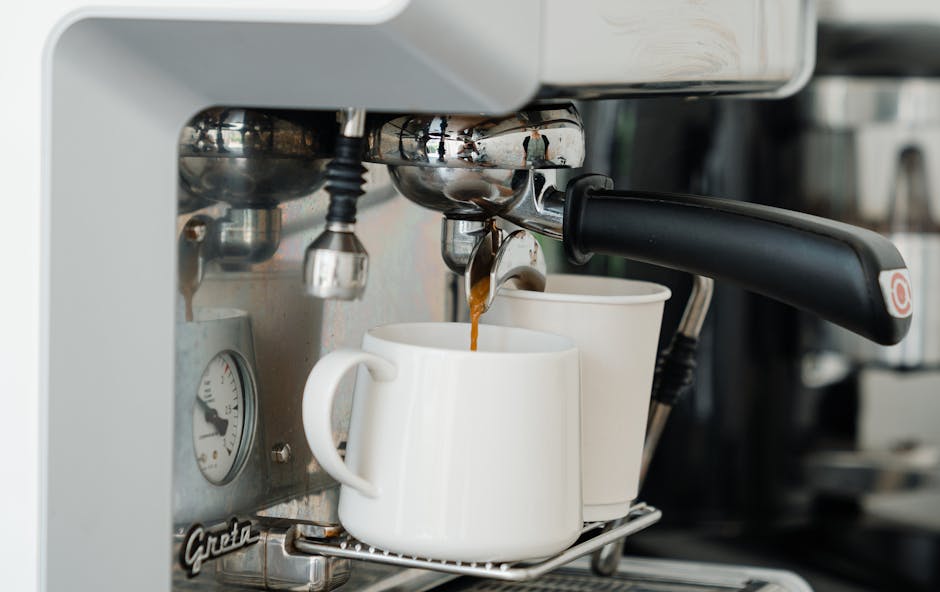
Photo: Ketut Subiyanto / Pexels
Found this helpful? Share it!
Our team reviews cookware, appliances, and kitchen gadgets for home chefs so you don't have to. Every recommendation is based on real research: customer reviews, expert opinions, and value for money. Learn more about us →
Before purchasing, consider how much counter space is available since espresso machines are typically more compact than traditional coffee makers, but require a dedicated spot near a power outlet and water source. Also evaluate brewing speed and volume needs—espresso machines produce single servings quickly while coffee makers brew larger quantities, so choose based on whether you're making drinks for one or multiple people daily.
The primary difference is pressure and brewing method: espresso machines use 9+ bars of pressure to force hot water through tightly packed ground coffee in seconds, while coffee makers brew by slowly dripping or steeping hot water through grounds. Espresso machines produce a concentrated, thick shot with crema, whereas coffee makers produce a larger volume of lighter coffee.
Espresso machines and coffee makers are fundamentally different brewing devices. Espresso machines use high pressure (9-15 bars) to extract coffee quickly, producing a concentrated 1-2 ounce shot with a layer of crema on top. Coffee makers brew larger quantities using gravity or immersion, taking 5-10 minutes to produce a full cup or pot of standard-strength coffee. If you want quick, intense shots for lattes and cappuccinos, get an espresso machine; if you want a simple cup or pot of coffee, a coffee maker is your answer.
Coffee makers rely on gravity and time. Water heats in a reservoir, drips through grounds in a filter, and gravity pulls it into a carafe below. This process takes 5-10 minutes and produces 4-12 cups depending on the machine. Espresso machines, by contrast, use a pump system to force pressurized water through finely ground coffee at 9-15 bars of pressure. This entire process happens in 25-30 seconds, extracting a small, concentrated shot.
Coffee makers work best with medium to medium-coarse grounds. The larger particle size allows water to flow through without clogging, and the longer contact time extracts flavor properly. Espresso machines require very fine, almost powder-like grounds. The small particle size and high pressure create the ideal resistance for extraction, which is why you can't simply use espresso grounds in a regular coffee maker—they'll over-extract and taste bitter.
A standard coffee maker produces 8-12 fluid ounces per cup, with a brew strength around 1.2-1.5% dissolved solids. An espresso machine produces 1-2 fluid ounces per shot, with 8-14% dissolved solids. This means espresso is significantly more concentrated and intense. One espresso shot contains more caffeine per ounce than drip coffee, though a full cup of drip coffee typically contains more total caffeine.
One distinctive feature of espresso is crema—the golden, foamy layer that sits on top of a properly pulled shot. Crema forms when the high pressure emulsifies oils and gases in the coffee, creating this signature texture. Coffee makers cannot produce crema because they lack the pressure necessary to create this emulsion. While some enthusiasts consider crema a sign of quality espresso, it's simply a byproduct of the high-pressure brewing method.
Basic coffee makers are inexpensive ($25-$50) and straightforward to use—fill water, add grounds, press a button. Espresso machines range from $100 for entry-level models to several thousand dollars for commercial-grade equipment. They require more skill to operate properly, including tamping (packing) grounds correctly, achieving the right water temperature, and pulling shots at the correct pressure.
Coffee experts and baristas emphasize that these are tools designed for different purposes. James Hoffmann, a renowned coffee educator, notes that espresso is "a different beverage altogether" from drip coffee—it's not just stronger coffee, but a distinct extraction method that produces a unique flavor
As an Amazon Associate I earn from qualifying purchases.
← Back to All Reviews Shop on Amazon →| Retailer | Price Range | Shipping | Link |
|---|---|---|---|
| Amazon | Check Current Price | Free (Prime) | View on Amazon → |
| Walmart | Check Site | Free over $35 | Search → |
| Target | Check Site | Free over $35 | Search → |
Prices may vary. Click through to each retailer for current pricing.
You can technically use regular coffee beans in an espresso machine, but you'll get better results with espresso-specific beans that are typically darker roasted. The grind size is more important—espresso requires a very fine, consistent grind, while regular coffee makers work with medium grinds. Using the wrong grind can result in over-extraction (bitter taste) or under-extraction (weak, sour taste).
A basic drip coffee maker costs $20-50 and has minimal operating costs, while espresso machines range from $100-500+ for home models. Coffee makers are cheaper to operate since they use standard grounds and filters, whereas espresso machines require more expensive specialty beans, milk frothers, and occasional maintenance. If you're budget-conscious, a drip coffee maker is the better choice.
A single shot of espresso (1 oz) contains about 63mg of caffeine, while an 8 oz cup of drip coffee contains 95-200mg depending on brew strength. Espresso has more caffeine per ounce, but people typically consume much larger quantities of regular coffee, so a full cup of drip coffee usually delivers more total caffeine. If you want a quick caffeine boost, espresso is more concentrated.
Yes, you need an espresso machine to make authentic lattes and cappuccinos because these drinks are specifically made with espresso shots as the base. A regular coffee maker cannot produce the concentrated espresso needed for these drinks. However, if you want a similar coffee beverage, you can use strong brewed regular coffee with steamed milk, though it won't be a true cappuccino.