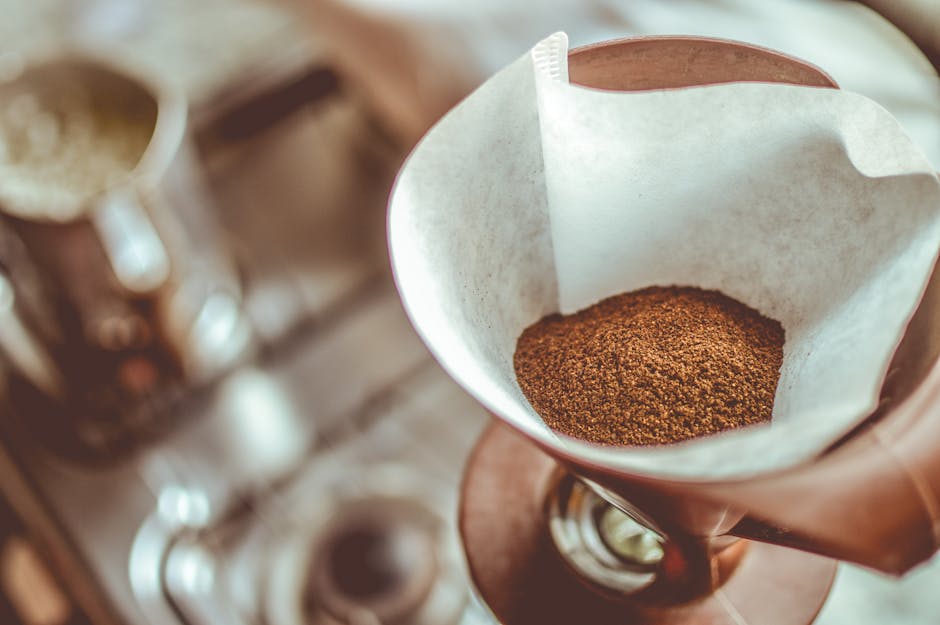
Photo: Caio / Pexels
A home appliance, also referred to as a domestic appliance, an electric appliance or a household appliance, is a machine which assists in household functions such as cooking, cleaning and food preservation.
Found this helpful? Share it!
Our team reviews cookware, appliances, and kitchen gadgets for home chefs so you don't have to. Every recommendation is based on real research: customer reviews, expert opinions, and value for money. Learn more about us →
Before buying a coffee maker, verify whether the model can safely operate without a filter by checking the manufacturer's specifications, as some machines require a filter to protect internal components and prevent ground coffee from damaging the heating element or valve system. Consider purchasing a model with a built-in permanent filter or mesh basket if you prefer filter-free brewing, as these designs are specifically engineered to handle grounds without causing clogs or maintenance issues.
Yes, you can use a coffee maker without a filter, but the result depends on your coffee maker type and what you use as an alternative. Most drip coffee makers will work without a filter, though you'll get sediment in your cup and risk damaging the machine if grounds reach the heating element.
You can technically brew coffee without a filter in most coffee makers, but it's not ideal. The main consequence is that fine coffee grounds will end up in your cup, creating a gritty texture and bitter taste. Some coffee makers, particularly espresso machines and French presses, are actually designed to work without traditional paper filters. However, for standard drip coffee makers, using some type of filter—whether paper, metal, or cloth—produces significantly better results.
When you remove the filter from a drip coffee maker, the hot water still passes through the ground coffee and collects in the pot below. However, without a barrier to catch the fine particles, these grounds settle into your brewed coffee. This creates several problems: a sediment layer at the bottom of your cup, a chalky mouthfeel, and an overly bitter taste from over-extraction.
Different coffee maker types handle filterless brewing differently. A French press is specifically designed to work without paper filters—it uses a metal mesh screen that lets oils and some fine particles through, which many coffee enthusiasts actually prefer. Turkish coffee pots don't use filters at all; grounds settle naturally as part of the brewing method. However, automatic drip coffee makers and pour-over systems are engineered with filters in mind, and skipping them compromises both taste and machine longevity.
There's also a practical concern: loose grounds can escape into the water reservoir or damage internal components. If grounds reach the heating element, they can scorch and affect future batches of coffee. Some machines may also have a one-way valve that prevents water from flowing properly without a filter catching the grounds.
Coffee experts and manufacturers universally recommend using a filter in drip coffee makers. The Specialty Coffee Association emphasizes that filters serve two critical functions: they remove unwanted oils and micro-particles that create bitterness, and they protect the machine's internal components. Most coffee maker manufacturers explicitly state in their instructions that using a filter is required for optimal performance and warranty coverage. Baristas note that while filterless brewing creates a different cup profile, it's not the intended experience for drip machines and usually results in complaints about grittiness and poor taste.
If you frequently find yourself without filters, the best solution is investing in a coffee maker with a reusable filter. Reusable filters eliminate the need for disposable paper filters while maintaining brew quality. They're typically made from stainless steel or fine mesh materials that catch grounds effectively while allowing water to flow properly. This approach is more economical, environmentally friendly, and ensures you always have a filter available. Many modern coffee makers come with reusable filters as standard, making this a practical investment for regular coffee drinkers.
As an Amazon Associate I earn from qualifying purchases.
← Back to All Reviews| Retailer | Price Range | Shipping | Link |
|---|---|---|---|
| Amazon | Check Current Price | Free (Prime) | View on Amazon → |
| Walmart | Check Site | Free over $35 | Search → |
| Target | Check Site | Free over $35 | Search → |
Prices may vary. Click through to each retailer for current pricing.
Yes, you can use most coffee makers without a filter, but the results depend on the type. Drip coffee makers will work but produce sediment and grounds in your cup, while pour-over and French press methods naturally accommodate filter-free brewing. You'll need to let grounds settle before pouring to minimize debris.
Without a filter, coffee grounds will pass directly into your cup, creating a gritty texture and muddy appearance. The coffee will taste stronger and more bitter since the grounds steep longer in hot water. You may also experience grounds clogging the machine's output valve over time.
Paper towels, cheesecloth, a fine mesh strainer, or a clean cloth can substitute for traditional filters in a pinch. A permanent metal mesh filter is the best long-term alternative as it's reusable and designed for coffee makers. Pour-over cone filters or a French press also eliminate the need for disposable filters.
Most coffee makers won't break immediately without a filter, but regular filter-free use can damage the machine. Coffee grounds can accumulate in internal tubes and valves, reducing water flow and causing clogs or leaks. It's best to use some form of filtration to protect your machine's longevity.