Photo: Castorly Stock / Pexels
Choosing between stainless steel and nonstick cookware is one of the most consequential decisions for your kitchen. Both have genuine strengths, and neither is universally "better"—the right choice depends on your cooking style, health priorities, budget, and how often you cook.
This guide breaks down the actual performance differences, health considerations, durability trade-offs, and cost factors so you can make an informed decision rather than defaulting to what you've always used or what marketing claims the loudest.
When comparing stainless steel and nonstick cookware, check the nonstick coating's durability rating and whether it's PFOA-free, as cheaper nonstick pans may degrade within a year while quality stainless steel can last decades with proper care. Consider your cooking style too—stainless steel excels at browning and searing but requires more oil and technique, while nonstick is forgiving for everyday cooking but performs poorly at high heat and isn't suitable for metal utensils.
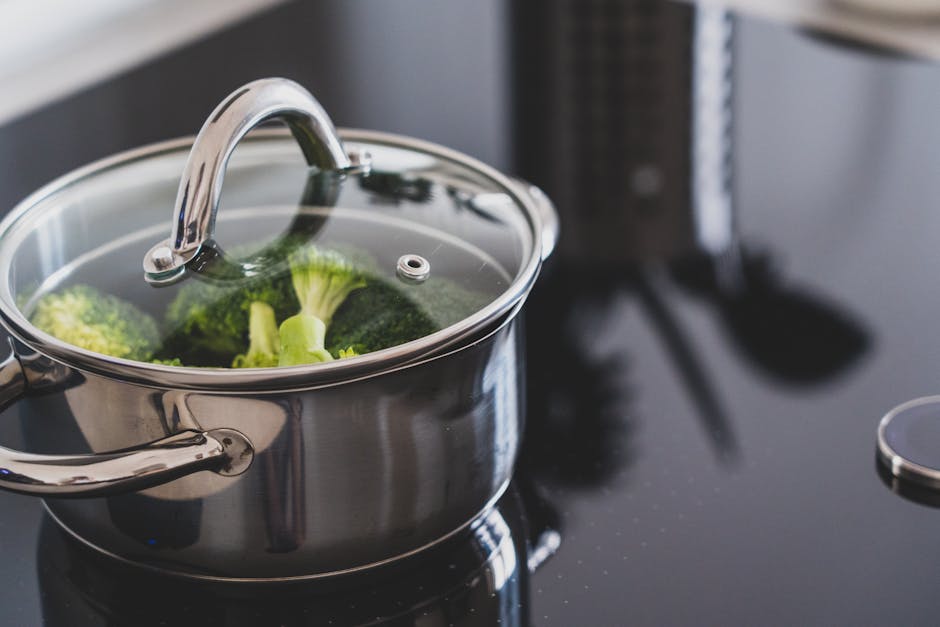
Stainless steel consists of iron, chromium, and nickel, creating a naturally non-reactive cooking surface. Quality stainless steel cookware should have an aluminum or copper core sandwiched between the layers—or a fully clad/encapsulated bottom that extends up the sides—to ensure even heat distribution across the entire cooking surface. This prevents hot spots that can burn food and improves heat retention significantly.
Stainless steel works on any stovetop, including induction, and can withstand high temperatures and metal utensils without degradation. The material has been used safely in kitchens for decades with no chemical leaching concerns.
Best for: Serious home cooks, professional-level searing and browning, durability-focused buyers, health-conscious cooks who want zero chemical coatings
PTFE (polytetrafluoroethylene) nonstick coatings are the traditional choice and remain highly effective. Modern PTFE nonstick is significantly safer than older versions because manufacturers have removed PFOA (perfluorooctanoic acid) and other legacy fluoropolymers. PTFE nonstick skillets excel at low-to-medium heat cooking with minimal oil, making cleanup effortless and food less likely to stick or break apart.
PTFE coatings do degrade over time with use and may flake if scratched or overheated. Look for premium options with 5+ year warranties, which typically offer better durability and coating integrity than budget options that may flake within a year. Temperature ratings vary—prioritize brands that specify higher temperature ratings (around 400–500°F) for greater versatility.
Best for: Busy home cooks, health-conscious cooks wanting minimal oil use, low-to-medium heat cooking, those prioritizing ease of cleanup
Ceramic nonstick coatings are a newer alternative to PTFE, made from sand-derived materials rather than fluoropolymers. They offer no PFOA concerns and appeal to cooks wanting a completely chemical-free coating. Ceramic nonstick performs similarly to PTFE for everyday cooking but typically requires slightly higher temperatures to achieve the same slickness.
Ceramic coatings tend to wear more quickly than PTFE and offer less consistent performance as they age. They are also more prone to chipping if dropped or knocked against hard edges. Ceramic nonstick is best for cooks willing to accept shorter lifespan in exchange for peace of mind about chemical composition.
Best for: Health-conscious cooks seeking zero-fluoropolymer coatings, low-to-medium heat everyday cooking, those on tighter budgets (ceramic nonstick is often cheaper upfront)
Some premium cookware combines stainless steel surfaces with reinforced nonstick coatings, attempting to capture benefits of both materials. These pieces offer improved nonstick performance while maintaining some of stainless steel's durability and heat-handling capabilities. However, they are still limited by nonstick coating degradation over time.
Hybrid cookware is typically more expensive than pure stainless steel or basic nonstick, and you inherit the maintenance requirements of both materials without fully realizing all the advantages of either.
Best for: Cooks wanting compromise between materials, those with budget for premium cookware, situations requiring both high-heat searing and easy cleanup
For serious home cooks and searing: Stainless steel with a full aluminum or copper core is the long-term investment. You get superior browning capability, even heat distribution, zero chemical concerns, and cookware that improves with age rather than degrading. The learning curve is real, but mastering stainless steel cooking technique is worthwhile. Expect higher upfront costs ($150–$300+ for quality sets).
For busy weeknight cooks and minimal cleanup: Modern PTFE nonstick cookware (5+ year warranty brands) is the practical choice. PFOA-free nonstick handles everyday low-to-medium heat cooking efficiently, requires almost no oil, and simplifies dishwashing. Budget $50–$150 for quality pieces. Just accept that replacement every 3–5 years is normal.
For health-conscious cooks wanting zero-fluoropolymer coatings: Ceramic nonstick is an option, though durability is shorter and performance fades faster. Alternatively, accept the maintenance requirements and invest in quality stainless steel—it's inert and never releases anything into food.
The hybrid approach: Many experienced cooks own both—stainless steel for searing, browning, and serious cooking, plus a quality nonstick skillet for eggs, delicate fish, and quick cleanup on hectic nights. This gives you the right tool for the actual cooking task rather than forcing one material to do everything.
Modern nonstick cookware marketed as PFOA-free is safe for normal cooking temperatures. PFOA (perfluorooctanoic acid) and similar legacy fluoropolymers have been phased out of production. The actual risk comes from overheating nonstick cookware beyond its temperature rating (typically 400–500°F for PTFE) or using damaged, flaking nonstick surfaces. Follow manufacturer guidelines and replace nonstick cookware when the coating visibly degrades. If zero fluoropolymer exposure is non-negotiable, choose stainless steel or ceramic nonstick instead.
Stainless steel alone is a poor heat conductor. Aluminum and copper conduct heat much more efficiently. Premium stainless steel cookware uses a core (or full cladding) of aluminum or copper sandwiched between stainless steel layers to distribute heat evenly across the bottom and sides. This prevents hot spots that burn food and ensures consistent cooking temperatures. Budget stainless steel with thin or encapsulated bottoms only on the base tends to develop uneven heating and warping over time.
Budget nonstick skillets may lose effectiveness within 1 year of regular use. Premium PTFE nonstick with 5+ year warranties typically provides 3–5 years of reliable use before coating degradation becomes noticeable. Ceramic nonstick often performs well for 2–3 years. Stainless steel cookware, if properly cared for, lasts 20–30+ years and can be refinished or re-seasoned if needed. Quality stainless steel is a one-time investment; nonstick is a consumable that requires periodic replacement.
Metal utensils will scratch and damage nonstick coatings (both PTFE and ceramic), accelerating wear and coating flaking. Use only wood, silicone, or plastic utensils with nonstick. Stainless steel is extremely durable and can withstand metal utensils, scouring pads, and aggressive cleaning without damage. This is another durability advantage for stainless steel.
Stainless steel is superior for high-heat searing and browning. It can handle temperatures well above 500°F and creates the Maillard reaction that develops complex flavors on proteins and vegetables. Nonstick coatings have temperature limits (typically 400–500°F) and cannot achieve the same browning effectiveness. If searing meats or achieving restaurant-quality crust is a priority, stainless steel is the only real option.
Stainless steel requires understanding proper preheating, oil temperature, and food-release timing. Food is more likely to stick if the pan isn't hot enough or oil isn't at the right temperature. The benefit is that once the pan is properly heated, you get excellent browning. Nonstick removes this learning curve—it works immediately with less technique. For beginner cooks, nonstick is easier; for those willing to learn, stainless steel unlocks superior cooking results.
Found this helpful? Share it!
Our team reviews cookware, appliances, and kitchen gadgets for home chefs so you don't have to. Every recommendation is based on real research: customer reviews, expert opinions, and value for money. Learn more about us →
This post contains affiliate links. We may earn a commission if you purchase through our links at no extra cost to you.
← Back to Best Kitchen Picks Daily| Retailer | Price Range | Shipping | Link |
|---|---|---|---|
| Amazon | Check Current Price | Free (Prime) | View on Amazon → |
| Walmart | Check Site | Free over $35 | Search → |
| Target | Check Site | Free over $35 | Search → |
Prices may vary. Click through to each retailer for current pricing.