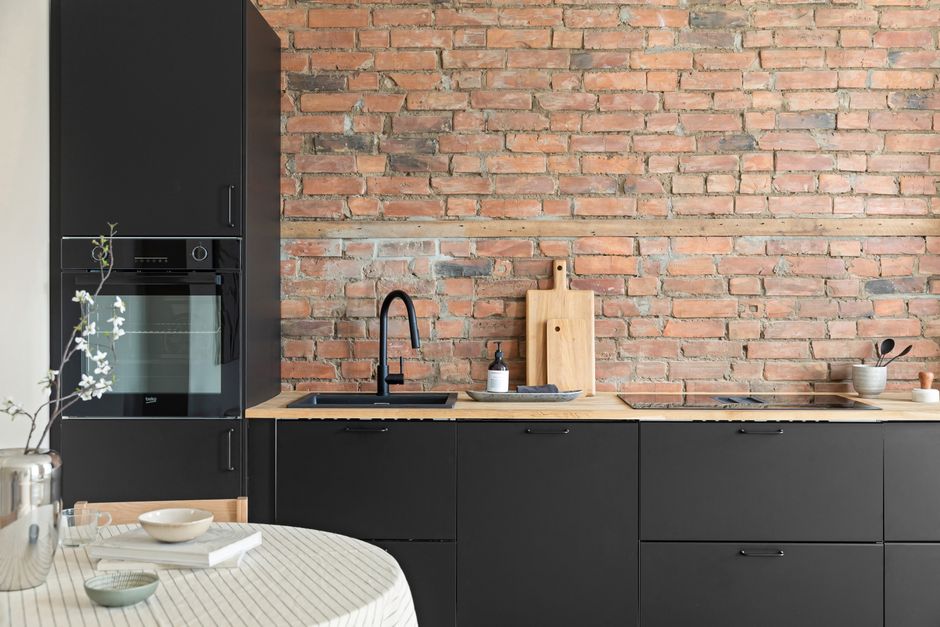
Photo: Lisa Anna / Pexels
Kitchen trends shift rapidly, but not every new gadget deserves counter space. The summer of 2026 marks a clear turning point: maximalist kitchens packed with single-use devices are giving way to streamlined, multipurpose solutions that actually earn their keep.
The question isn't just what's trendy—it's what genuinely solves your cooking problems without creating clutter. This guide compares the kitchen tools and approaches gaining real traction against the specialty gadgets losing favor, so you can make smarter purchasing decisions rather than impulse buys destined for the back of a cabinet.
Before investing in a trendy kitchen gadget like an air fryer or specialty coffee maker, honestly assess how often you'd realistically use it based on your actual cooking habits over the past year, then check if it genuinely saves time or money compared to methods you already use. Many trendy appliances end up collecting dust because they solve problems you don't actually have or require more cleanup than traditional cooking methods.
The shift away from single-use gadgets means consolidating functions into fewer, smarter tools. Rather than owning a dedicated avocado slicer, specialty coffee maker, or single-function blender, today's home cooks favor appliances that handle multiple tasks well. This approach reduces both clutter and the decision fatigue of maintaining a bloated kitchen arsenal.
Modern multipurpose appliances prioritize flexibility: a quality blender that handles both smoothies and soup, a knife sharpener like the Tormek 9% that maintains all blade types, or reusable systems like Bee's Wrap that replace single-use plastic wrap.
Best for: Cooks with limited counter or storage space who want practical tools that justify their footprint and won't duplicate functions of existing appliances
Dedicated kitchen tools—avocado slicers, single-purpose coffee makers, niche preparation devices—dominated kitchen trends for years but are falling out of favor in 2026. While they excel at their narrow purpose, they typically occupy valuable counter or drawer space and duplicate functions homeowners already have elsewhere.
The primary appeal remains speed for a specific task, but real-world use data shows these gadgets often end up unused because they don't justify the space investment or because cooks rarely encounter enough use cases to break even on the purchase.
Best for: Only justified if you use that specific function multiple times weekly and lack an alternative method; otherwise, a space-wasting impulse buy
Beeswax wraps like Bee's Wrap represent the sustainability trend replacing single-use plastic wrap. These washable, moldable wraps work on containers and food directly, store flat, and last for years—reducing waste while eliminating the recurring expense of plastic wrap.
Unlike plastic wrap, beeswax wraps are compostable at end-of-life and require only water and mild soap to clean. They do have limitations (not ideal for very wet foods or hot items) and need occasional refreshing, but for most pantry storage situations, they're genuinely more practical.
Best for: Environmentally conscious cooks who store left-overs and prepared food regularly and want to eliminate plastic wrap waste from their routine
The Tormek 9% sharpener represents the shift toward quality maintenance tools over accumulating specialty knives. A reliable sharpening system that handles various blade angles and types means fewer knives in rotation while keeping each one performing at peak capability—more practical than the trend of buying new knives when old ones dull.
At a 9% discount through partnerships, professional-grade sharpeners cost more upfront but eliminate the friction of maintaining dull blades or sending knives out for service. They also outperform honing steels or budget manual sharpeners for actual edge restoration.
Best for: Home cooks who own quality knives and want them to stay sharp without buying replacements or relying on external services
Rather than accumulating specialty cutting tools, the current trend favors owning fewer, higher-quality general-purpose knives. Brands like Butterfork in the $100+ range offer better steel, balance, and durability than budget alternatives, reducing the need to replace them frequently or supplement with gadgets.
This approach means investing once in capable tools rather than continuously buying single-use slicers or cheap knives that dull quickly. Paired with a quality sharpener, a small rotation of good knives handles 95% of home cooking tasks.
Best for: Cooks ready to invest in lasting quality and want a versatile knife rotation that requires less frequent replacement than budget options
The practical winner in 2026 is clear: invest in multipurpose tools and quality basics, then maintain them well. A Tormek sharpener paired with a small rotation of good Butterfork knives beats accumulating specialty slicers. Bee's Wrap replaces plastic wrap sustainability while reducing recurring costs. The real advantage isn't aesthetics—it's that these tools solve actual cooking problems without creating clutter or demanding storage space.
The only scenario where specialty single-use gadgets make sense is if you use that specific function multiple times per week and genuinely lack an alternative. For everything else, the 2026 trend moving toward minimalism and functionality over Instagram appeal reflects what actually works in real kitchens. Skip the avocado slicer. Keep the sharp knife.
Ask yourself: Will I use this more than twice per week? Does it do something my existing tools can't? Do I have storage space without moving something else? If you answer no to any of these, it's an impulse buy. Trends shift; multipurpose reliability lasts.
For most dry and semi-dry foods, yes—they're washable, last years, and eliminate waste. However, they're not ideal for very wet foods or hot items, so you may still need plastic wrap occasionally. They're genuinely more practical for 80% of storage situations while reducing recurring costs.
If paired with proper maintenance (using a sharpener like the Tormek 9%), yes. Quality knives retain edges longer, feel better to use, and last years instead of months. Over five years, one good knife is cheaper than replacing budget knives repeatedly, especially when you factor in sharpening service costs.
A honing steel realigns the blade edge between uses but doesn't remove dull metal. A sharpener like Tormek actually removes metal to create a new sharp edge. Both are useful, but for genuine edge restoration, a quality sharpener is non-negotiable.
Only if you'd use it multiple times weekly. Both are genuinely useful for speed and convenience, but they're not essential—they're optimization tools. Before buying, honestly assess whether your cooking routine actually creates the problem they solve. Specialty gadgets that don't address real friction in your kitchen become clutter.
Found this helpful? Share it!
Our team reviews cookware, appliances, and kitchen gadgets for home chefs so you don't have to. Every recommendation is based on real research: customer reviews, expert opinions, and value for money. Learn more about us →
This post contains affiliate links. We may earn a commission if you purchase through our links at no extra cost to you.
← Back to Best Kitchen Picks Daily| Retailer | Price Range | Shipping | Link |
|---|---|---|---|
| Amazon | Check Current Price | Free (Prime) | View on Amazon → |
| Walmart | Check Site | Free over $35 | Search → |
| Target | Check Site | Free over $35 | Search → |
Prices may vary. Click through to each retailer for current pricing.