Photo: William Hadley / Pexels
A cluttered knife drawer doesn't just waste precious kitchen space—it dulls your blades faster, creates safety hazards, and makes cooking less efficient. The right knife storage solution protects your culinary investment while keeping your most-used tools within arm's reach.
Before purchasing a knife storage solution, measure the exact dimensions of your counter or wall space and verify how many knives of your specific blade lengths will actually fit, since many magnetic strips and blocks don't accommodate both chef's knives and paring knives efficiently without wasting space.
The challenge is choosing between fundamentally different storage approaches: countertop knife stands, wall-mounted magnetic strips, and traditional drawer organizers. Each has genuine tradeoffs around space consumption, accessibility, safety, and visual impact. This guide compares these storage methods across real constraints—budget, counter space, kitchen layout, and household safety—so you can make a decision based on your actual kitchen, not marketing claims.
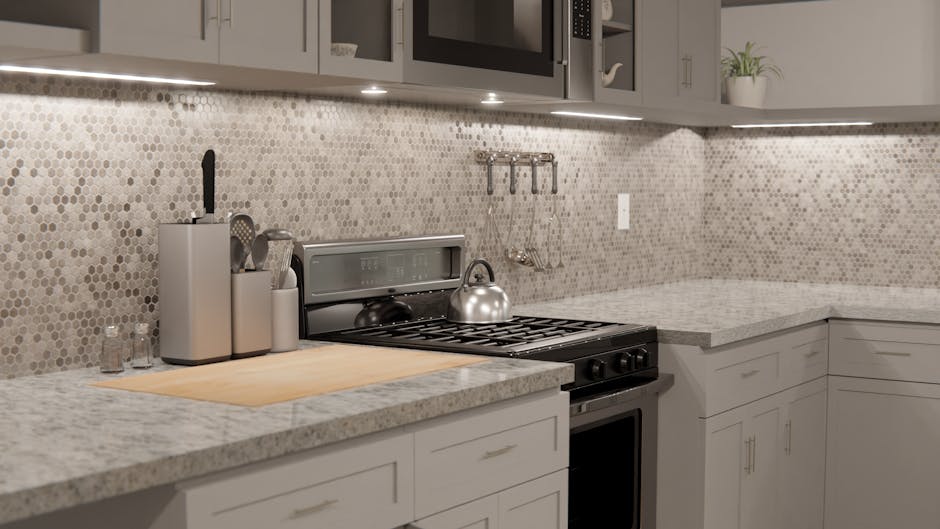
Countertop stands sit directly on your counter and hold knives upright in dedicated slots. They work with chef knives, bread knives, nakiri blades, and paring knives in a single organizer. Butterfork and similar premium brands in this category typically feature food-safe, non-corrosive materials and ergonomic design to prevent crowding that dulls blades.
These stands take up counter real estate but offer maximum accessibility during cooking—knives are visible and grabbable without opening drawers or reaching for wall-mounted strips. Average pricing for quality models runs $100+.
Best for: Home cooks with dedicated counter space who prioritize quick access and don't have safety concerns with children or pets around exposed blades
Magnetic strips mount vertically on walls or inside cabinet sides, holding steel blades securely without physical slots. They're space-efficient for small kitchens and keep counter surfaces clear. The magnetic holding force works best with traditional steel chef knives but may not secure ceramic or specialty blades reliably.
Installation requires wall space (often backsplash or cabinet interior), and blades remain partially visible, which works as decoration in some kitchens and looks cluttered in others. Cost is typically lower than premium countertop stands.
Best for: Apartment dwellers, kitchens with minimal counter space, and cooks who want an uncluttered visual aesthetic with easy vertical access
Traditional in-drawer slots or dedicated knife blocks store blades out of sight, protecting them from dust and accidental contact. They eliminate visual clutter and keep knives away from curious hands. The main drawback is slower access during meal prep—you must open a drawer or move a block to reach your knife, and crowded slots can dull edges if knives touch each other or the wood.
This storage method is the most budget-friendly and works in any kitchen layout. Quality blocks are available across a wide price range, from budget options under $30 to premium wood blocks at $100+.
Best for: Households with children or pets, minimalist kitchens, and cooks who prioritize blade protection and out-of-sight storage over convenience
Some home cooks maintain different storage for different knives—a countertop stand for daily-use chef and paring knives, a wall strip for specialty blades, and drawer storage for backup or seasonal knives. This approach optimizes for both accessibility (frequent knives are within reach) and safety/protection (less-used knives are stored out of sight).
Hybrid systems require investment across multiple products but let you tailor storage to actual knife usage patterns rather than forcing all blades into one solution.
Best for: Culinary enthusiasts with larger knife collections, mixed households with varying safety needs, and cooks with flexible kitchen layouts that support multiple storage zones
Countertop stands (like Butterfork models) win on accessibility and blade protection if you have counter space and no safety concerns—they keep your most-used knives sharp and within arm's reach during cooking. However, they sacrifice the counter real estate that makes cooking easier in small kitchens.
Wall-mounted magnetic strips excel in space-constrained kitchens where counter and drawer space are already at a premium. They work best for traditional steel chef and bread knives, though specialty blades may not hold securely.
Drawer blocks remain the best choice for households with children or pets, and for cooks who rarely use multiple knives during a single meal. The tradeoff is slower access, which matters less if you're reaching for one blade at a time rather than juggling three knives while preparing ingredients.
For most home cooks, a hybrid approach delivers the best practical balance: keep your 2-3 daily-use knives in a countertop stand or magnetic strip for quick access, and store specialty or backup blades in drawer organizers for protection and out-of-sight safety. This requires measuring your actual kitchen layout and knife usage habits before purchasing any single storage solution.
Choose magnetic strips if counter space is your primary constraint or you have a small kitchen. They hold traditional steel blades securely and mount vertically, freeing counters and drawers. Choose traditional stands if you prioritize quick access during cooking and have dedicated counter space, or if you own ceramic knives or specialty blades that won't hold on magnetic surfaces.
Quality magnetic strips don't damage blades if knives are fully seated. However, some cheaper strips create weak magnetic fields that allow blade movement or contact, which can dull edges. Ensure the strip's material is food-safe and non-corrosive, and test its hold strength with your largest chef knife before relying on it for your full collection.
Store knives with blades separated—either in individual drawer slots, countertop stands with adequate spacing, or wall-mounted strips. Avoid crowded drawers where blades touch each other or wooden blocks. Non-corrosive materials prevent rust that accelerates edge dulling. Blade guards are also an option if you're storing knives without physical separation.
Yes. A hybrid approach often works best: store daily-use chef and paring knives in a countertop stand or magnetic strip for quick access, and keep specialty knives (nakiri, boning, serrated bread knives) in drawer organizers. This balances accessibility with protection and lets you optimize each storage zone for its specific knives.
Countertop and wall-mounted knife stands expose blades, creating accidental contact risks. If safety is a concern, prioritize drawer storage or wall-mounted strips mounted above counter height and out of reach. Ensure any countertop stand is positioned away from play areas and that children understand the danger of exposed blades.
Countertop stands typically require 6-10 inches of depth and 4-8 inches of width depending on the number of slots. Magnetic strips need 12-24 inches of wall height and about 2-4 inches of width. Measure your available space and your largest chef knife's length before purchasing to ensure proper fit without blocking access to other kitchen tools.
Found this helpful? Share it!
Our team reviews cookware, appliances, and kitchen gadgets for home chefs so you don't have to. Every recommendation is based on real research: customer reviews, expert opinions, and value for money. Learn more about us →
This post contains affiliate links. We may earn a commission if you purchase through our links at no extra cost to you.
← Back to Best Kitchen Picks Daily| Retailer | Price Range | Shipping | Link |
|---|---|---|---|
| Amazon | Check Current Price | Free (Prime) | View on Amazon → |
| Walmart | Check Site | Free over $35 | Search → |
| Target | Check Site | Free over $35 | Search → |
Prices may vary. Click through to each retailer for current pricing.