Photo: Emanuele Ricciardi / Pexels
Professional cooks live by one rule: a sharp knife is a safe knife—and a dull one will tank your service speed and consistency. But "stays sharp longer" means something different depending on which steel you choose. Japanese knives, German steel blades, and ceramic options each take fundamentally different approaches to edge retention, and the right choice depends on your kitchen's actual workflow, maintenance capacity, and budget.
When comparing blade longevity, check the hardness rating (HRC) on the product specs—Japanese knives typically range 60-65 HRC for longer edge retention, while German knives at 56-58 HRC are more forgiving if you can't maintain frequent honing, making them better for busy professional kitchens with varying skill levels. Ceramic knives stay sharp longest between sharpenings but are brittle and expensive to repair, so reserve them only if you have a dedicated cutting surface and won't use them for heavy prep work.
This guide cuts through the marketing and compares what these three material types actually deliver: the hardness ratings, edge angles, maintenance demands, and real-world durability that separate investment from expense.
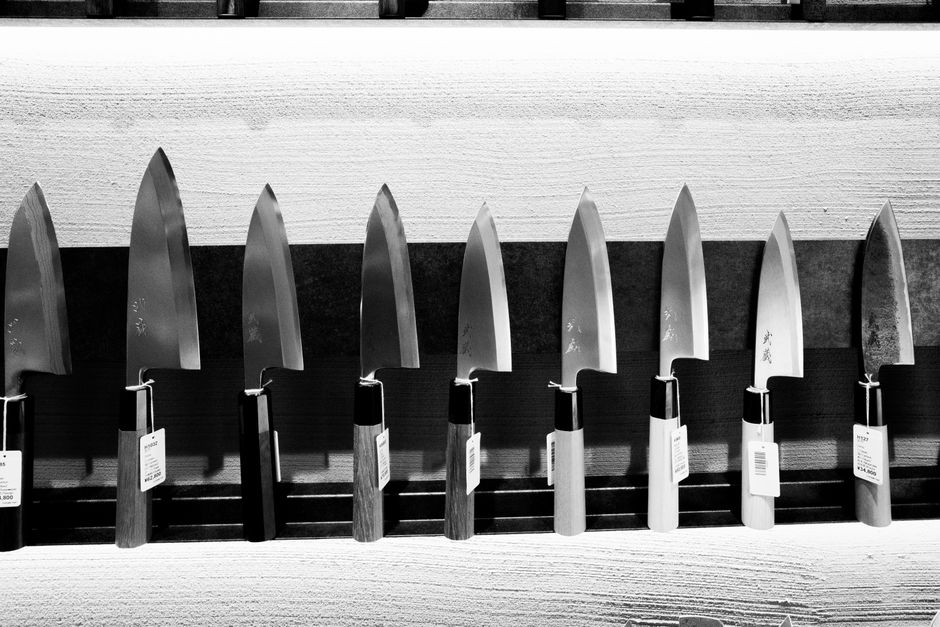
Japanese knives prioritize hardness for maximum edge retention, typically featuring stainless or high-carbon steel cores with Rockwell Hardness ratings of 60–65 HRC. The acute edge angle (15–17 degrees) concentrates sharpness into a narrower profile, allowing the blade to slice cleanly through hundreds of cuts before requiring professional sharpening. Brands like MAC, Masahiro, and Misono consistently hit this hardness sweet spot, balancing edge durability against brittleness in high-pressure kitchens.
Best for: Professional cooks willing to learn proper technique and honing; kitchens with high cut volume; cooks who value precision and are comfortable with specialized sharpening.
German steel knives take a more forgiving approach, aiming for 55–58 HRC hardness—lower than Japanese blades, but deliberately so. This range balances edge retention with easier sharpening and greater resilience against chips during heavy chopping. Thicker blade construction (2.5–3mm) distributes pressure more evenly during repetitive cuts, which keeps the edge sharper longer under professional demands without requiring specialized tools or expertise to maintain.
Best for: Professional kitchens prioritizing durability and ease of maintenance; cooks who need a knife that tolerates less-than-perfect technique; situations where access to professional sharpening is limited.
Ceramic blades made from zirconia oxide achieve extreme hardness—8 or higher on the Mohs scale—which translates to edge retention roughly 10 times longer than steel between sharpenings. This makes them a genuine game-changer for high-volume kitchens where honing time becomes a bottleneck. However, ceramic requires specialized sharpening equipment and manufacturers typically recommend professional service rather than home maintenance, which creates an ongoing cost and logistics consideration.
Best for: High-volume kitchens where sharpening downtime is a real productivity loss; cooks who work with soft foods (vegetables, fish, produce) where ceramic excels; operations with budget for specialized maintenance services.
Japanese steel wins for pure edge retention and precision work—if your kitchen has the discipline and access to professional sharpening. The 60–65 HRC hardness and acute edge angle make these blades the choice for high-end plating, sashimi, and brunoise where precision matters more than speed. German steel wins for durability and low maintenance—the 55–58 HRC range and thicker construction tolerate aggressive chopping and less-perfect technique, and you can sharpen these knives yourself with standard equipment. Ceramic wins for high-volume prep kitchens where sharpening downtime is a quantifiable productivity loss and you're primarily cutting soft items (vegetables, fish, fruit). Choose Japanese if you're willing to invest in skill and professional maintenance. Choose German if you want resilience and self-sufficiency. Choose ceramic only if your kitchen genuinely does enough high-volume cutting to justify the specialized maintenance overhead.
Rockwell Hardness (HRC) measures how hard the steel is. Higher HRC = longer edge retention because the blade resists deformation from cutting. Japanese knives at 60–65 HRC hold an edge longer than German steel at 55–58 HRC, but become more brittle. The tradeoff is: more hardness = longer between sharpenings, but less forgiveness if your technique is imperfect.
Mostly yes. German steel (55–58 HRC) can be sharpened with standard whetstones or pull-through sharpeners. Japanese knives (60–65 HRC) benefit from professional sharpening or high-grit whetstones, though you can maintain them at home. Ceramic requires specialized equipment—most manufacturers recommend professional sharpening service, not DIY.
Japanese knives use acute angles (15–17°) because the higher hardness (60–65 HRC) can support a sharper edge without chipping. German knives use wider angles because their lower hardness (55–58 HRC) needs more steel behind the edge for durability. Sharper angle = more precise cuts; wider angle = more resilient to heavy impact.
Japanese knives: every 2–4 weeks with heavy use (professional sharpening). German steel: every 1–2 weeks (can be DIY). Ceramic: every 2–6 months depending on volume and food type. Ceramic's longer window is its main advantage in high-volume kitchens.
Only if sharpening downtime or labor is a real constraint. Ceramic's upfront cost is higher, and professional sharpening adds ongoing expense. The payoff is measurable only in kitchens doing 500+ cuts per day on soft foods. For general-purpose professional work, Japanese or German steel offers better value.
Found this helpful? Share it!
Our team reviews cookware, appliances, and kitchen gadgets for home chefs so you don't have to. Every recommendation is based on real research: customer reviews, expert opinions, and value for money. Learn more about us →
This post contains affiliate links. We may earn a commission if you purchase through our links at no extra cost to you.
← Back to Best Kitchen Picks Daily| Retailer | Price Range | Shipping | Link |
|---|---|---|---|
| Amazon | Check Current Price | Free (Prime) | View on Amazon → |
| Walmart | Check Site | Free over $35 | Search → |
| Target | Check Site | Free over $35 | Search → |
Prices may vary. Click through to each retailer for current pricing.