Photo: Sasha Kim / Pexels
Found this helpful? Share it!
Our team reviews cookware, appliances, and kitchen gadgets for home chefs so you don't have to. Every recommendation is based on real research: customer reviews, expert opinions, and value for money. Learn more about us →
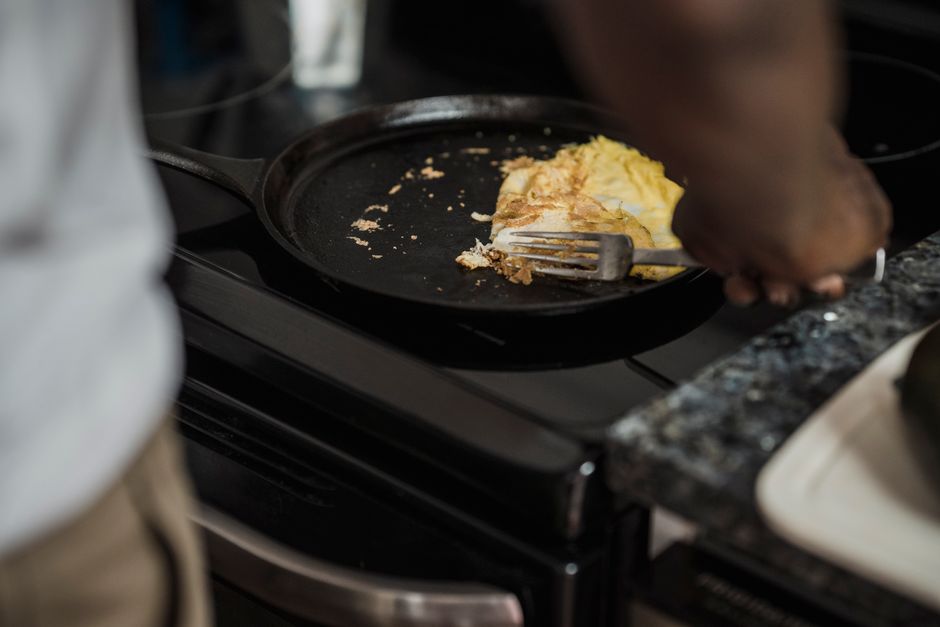
Yes, you can absolutely use cast iron cookware on an electric stove. Cast iron is one of the most versatile cookware options available and performs exceptionally well on electric stovetops, whether coil or smooth glass-top models.
Cast iron works great on electric stoves because it heats evenly and retains heat exceptionally well. The flat bottom of most cast iron skillets makes excellent contact with electric coil burners and smooth glass cooktops. Cast iron's ability to distribute heat uniformly means you'll get consistent cooking results. Plus, cast iron is nearly indestructible, so the rigidity of electric stove surfaces won't damage your cookware.
Before purchasing cast iron cookware for an electric stove, verify that the cookware has a completely flat bottom surface, as warped or rounded bottoms won't make proper contact with the heating element and will cook unevenly or damage the stovetop. Also check the weight—cast iron is heavy and can scratch electric cooktops, so consider using a protective mat or opting for lighter cookware alternatives if your stovetop surface is easily damaged.
Electric stoves present unique cooking challenges that cast iron actually handles better than many modern cookware materials. Here's why cast iron excels on electric cooktops:
Heat Distribution and Retention
Cast iron's massive thermal mass means it absorbs heat from the electric burner and distributes it evenly across the cooking surface. This is actually superior to lighter cookware, which can develop hot spots. Electric stoves heat more slowly than gas, so cast iron's heat-holding properties work in your favor—the cookware stays hot longer and maintains consistent temperatures even when the burner cycles on and off.
Compatibility with Coil Burners
Traditional coil electric stoves work perfectly with cast iron. The cookware's flat bottom sits securely on the coils, and the weight of cast iron won't tip or shift as lighter pans might. The coils make direct contact with the skillet's surface, enabling efficient heat transfer.
Glass Cooktop Considerations
Smooth glass-top electric stoves require a bit more caution, but cast iron is still compatible. The key is ensuring your cast iron has a smooth, flat bottom. Rough or uneven bottoms can scratch glass cooktops and create hot spots. If your cast iron skillet has a textured bottom, you can carefully season it with fine steel wool to smooth it out. Always lift (don't drag) cast iron on glass tops to prevent scratches.
Weight and Stability
Cast iron's weight is an advantage on electric stoves. The heavy cookware won't slide around during cooking and maintains stable contact with the heat source. This stability leads to more predictable cooking results and safer handling.
Professional chefs and cookware experts consistently recommend cast iron for electric stove cooking. The consensus is that cast iron's heat retention properties actually complement the slower heating characteristics of electric stoves better than many specialty cookware materials. Cast iron experts note that while electric stoves heat more gradually than gas, this isn't a disadvantage with cast iron—the cookware builds up thermal energy that ensures even cooking. Many professional kitchens maintain cast iron specifically for electric cooktops because of its reliability and longevity. The one caveat experts mention: avoid dragging cast iron across glass cooktops, as this can scratch the surface.
A quality cast iron skillet is one of the best investments you can make for electric stove cooking. Cast iron skillets are affordable, last decades (even centuries with proper care), and perform consistently on any electric burner type. Whether you're searing meats, baking cornbread, or making pancakes, a well-seasoned cast iron skillet delivers professional results on your electric stove.
Browse cast iron skil
As an Amazon Associate I earn from qualifying purchases.
| Retailer | Price Range | Shipping | Link |
|---|---|---|---|
| Amazon | Check Current Price | Free (Prime) | View on Amazon → |
| Walmart | Check Site | Free over $35 | Search → |
| Target | Check Site | Free over $35 | Search → |
Prices may vary. Click through to each retailer for current pricing.
Yes, cast iron works well on electric stoves and is actually one of the best cookware options for this appliance. Cast iron's flat bottom and heat retention properties make it ideal for electric coil and smooth-top ranges, though you need to be careful not to scratch glass-top stoves when moving the pan.
Cast iron can scratch glass-top electric stoves if dragged across the surface, so always lift and place the pan gently rather than sliding it. To minimize risk, ensure the pan's bottom is clean and dry, and consider using a protective barrier like a silicone mat during cooking.
Cast iron heats very evenly on electric stoves due to its excellent heat retention and distribution properties, actually performing better than on gas. The flat bottom of cast iron makes full contact with electric burners, resulting in consistent, efficient heating.
Match your cast iron size to your burner size—use 8-10 inch skillets for standard burners and 12+ inch skillets for larger burners to ensure proper heat distribution. Using cast iron significantly smaller than your burner wastes energy and creates hot spots, while oversized pans may hang over the edge and become unsafe.