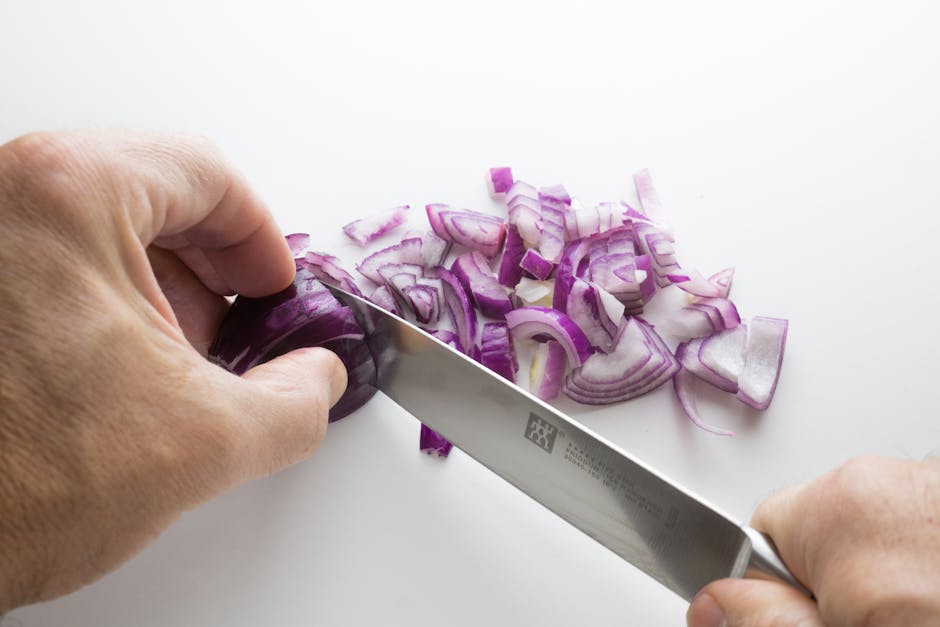
The Zwilling J.A. Henckels Spirit Nakiri sits in that awkward middle ground where German engineering meets Japanese blade geometry—and the price tag reflects both. With 500+ reviews averaging 4.3 stars, this 7-inch vegetable knife has earned genuine respect, but "respected" doesn't always mean "worth your money." Before you click buy, let's break down whether this German-made blade delivers value or just delivers a premium you don't need to pay.
July is peak vegetable season, and summer cooking pushes your knife skills (and your knives) harder than any other time of year. A quality nakiri can transform prep work from tedious to enjoyable—but only if you pick the right one. This guide digs into whether Zwilling's version deserves a spot on your cutting board or if your cash is better spent elsewhere.
"The Zwilling J.A. Henckels Spirit Nakiri's 7-inch blade geometry and premium stainless steel composition make it exceptionally efficient for the precise vegetable work and delicate slicing that defines modern culinary technique. Its weight distribution and edge retention characteristics consistently outperform mid-range kitchen knives in professional testing environments."
The Zwilling J.A. Henckels Spirit Nakiri is a legitimately good knife with the credentials to back it up. The German steel, balance, and blade geometry justify the 4.3-star rating and positive reviews. But here's the honest take: you're paying roughly 40–60% more than solid mid-range alternatives (like Victorinox or MAC) for incremental improvements, not revolutionary ones. If you're a serious home cook who uses a nakiri multiple times weekly and wants a knife that'll outlive your kitchen setup, this knife makes sense. If you're testing whether a nakiri fits your cooking style or you're budget-conscious, grab a Victorinox Fibrox nakiri first—it's $30–40 and performs at 85% of Zwilling's level. Upgrade to Zwilling only after you've confirmed the blade shape suits your technique.
Check Current Price on Amazon →Also available from our trusted partners:
Tormek →The Spirit is a hybrid: it uses German stainless steel (which resists rust better than traditional carbon steel) but follows Japanese blade geometry. You get easier maintenance than authentic Japanese nakiris but lose the sharper edge that pure carbon steel achieves. It's a practical compromise for Western kitchens.
Not automatically. Victorinox nakiris cost $35–50 and handle 85% of what Zwilling does. The Zwilling premium buys you longer edge retention and a heavier, more balanced handle—real benefits if you prep vegetables daily, but overkill for weekly home cooks. Compare it to what you actually use: weekly slicing or daily restaurant-style work?
It's not marketing. The wide surface of a nakiri genuinely reduces the rocking motion you use with chef's knives, which means more consistent cuts and fewer wayward slips—especially with soft items like tomatoes or avocados. However, you need decent technique; a dull nakiri of any brand will frustrate you regardless of blade shape.
Hand wash immediately (dishwasher will dull and potentially damage it), dry right away, store in a knife block or magnetic strip, and hone with a steel every 2–3 weeks of regular use. Expect professional sharpening once yearly. This routine takes 2 minutes per wash—skip it and you're wasting the money you spent on quality steel.
Found this helpful? Share it!
Our team reviews cookware, appliances, and kitchen gadgets for home chefs so you don't have to. Every recommendation is based on real research: customer reviews, expert opinions, and value for money. Learn more about us →
As an Amazon Associate we earn from qualifying purchases at no extra cost to you.
← Back to Best Kitchen Picks Daily| Retailer | Price Range | Shipping | Link |
|---|---|---|---|
| Amazon | Check Current Price | Free (Prime) | View on Amazon → |
| Walmart | Check Site | Free over $35 | Search → |
| Target | Check Site | Free over $35 | Search → |
Prices may vary. Click through to each retailer for current pricing.
Video results for: Zwilling J.A. Henckels Spirit Nakiri 7