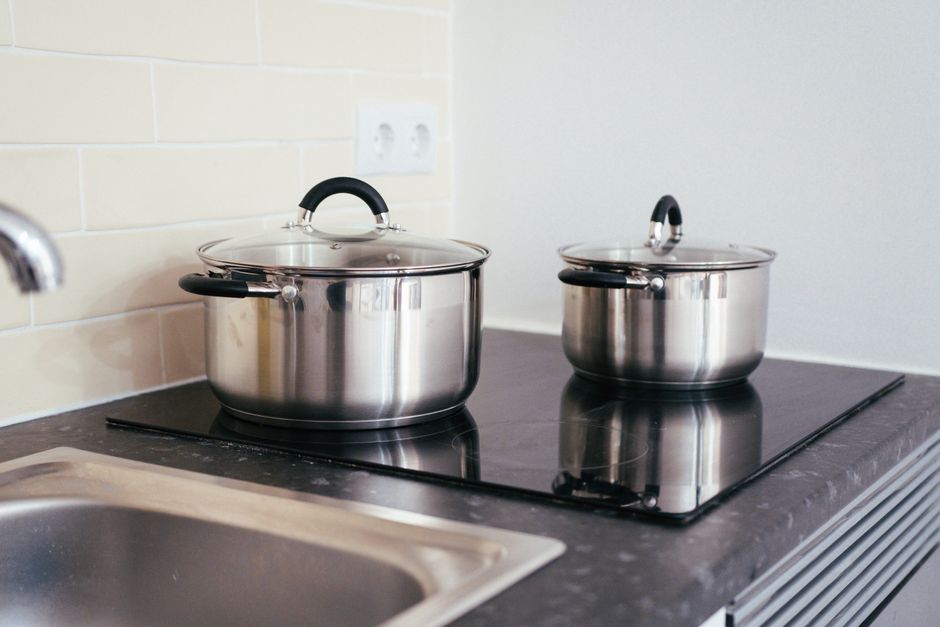
Photo: Jaycee300s / Pexels
Found this helpful? Share it!
Look for cookware with flat, smooth bottoms made from materials like stainless steel, cast iron, or copper-core pans, and avoid anything with a rough or textured base that could scratch your glass cooktop. Always verify the manufacturer's specifications state the cookware is glass-top compatible, and test that the bottom sits completely flush against the surface without wobbling before making your purchase.
Our team reviews cookware, appliances, and kitchen gadgets for home chefs so you don't have to. Every recommendation is based on real research: customer reviews, expert opinions, and value for money. Learn more about us →
The safest cookware for glass top stoves features flat bottoms, smooth surfaces, and medium to heavy-weight construction made from materials like stainless steel, cast iron, or copper-bottomed cookware. Avoid anything with rough or textured bottoms, thin lightweight cookware, or materials that can scratch the delicate glass surface.
Glass top stoves require cookware with completely flat bottoms and smooth surfaces to prevent scratching and ensure proper heat transfer. Stainless steel, cast iron, and purpose-designed glass top cookware sets are your safest bets. Avoid anything with rough textures, warped bases, or lightweight construction that won't distribute heat evenly. The key is ensuring full contact between the cookware bottom and the cooktop surface.
Glass top stoves are elegant and easy to clean, but they're also sensitive. Understanding what works—and what doesn't—protects your investment and prevents costly damage.
Stainless Steel: The gold standard for glass top cooking. High-quality stainless steel cookware is durable, distributes heat evenly, and won't damage the glass surface. Look for pieces with encapsulated bases that include aluminum or copper for better heat distribution.
Cast Iron: Excellent heat retention and distribution, but only if the bottom is completely smooth and polished. Rough, textured cast iron can scratch glass tops. Vintage cast iron often works better than newer pieces because the cooking surface was finished differently. Always inspect the bottom carefully.
Copper-Bottomed Cookware: Premium option with excellent heat conductivity. The smooth copper bottom glides across glass cooktops without damage while providing superior temperature control.
Anodized Aluminum: Lightweight yet durable, with smooth bottoms that won't scratch. Often used in mid-range cookware sets designed specifically for glass tops.
Textured or Rough Bottoms: Enameled cast iron, stoneware, or cookware with a bumpy finish will scratch your glass top. The rough texture acts like sandpaper against the surface.
Warped or Curved Bottoms: Cookware that rocks or doesn't sit flat won't heat evenly and can crack the glass if they're heavy pieces that rest on edge points rather than the full base.
Thin, Lightweight Cookware: Budget cookware often has thin bottoms that won't distribute heat properly and may warp over time, creating the rocking problem mentioned above.
Ceramic or Stone Cookware: Unless specifically marked for glass tops, these can be porous and heavy, creating uneven contact and heat distribution issues.
Anything with a Lid that Doesn't Fit Flush: Loose lids can slide around, and overhanging edges can damage the cooktop frame.
As an Amazon Associate I earn from qualifying purchases.
← Back to All Reviews Shop on Amazon →| Retailer | Price Range | Shipping | Link |
|---|---|---|---|
| Amazon | Check Current Price | Free (Prime) | View on Amazon → |
| Walmart | Check Site | Free over $35 | Search → |
| Target | Check Site | Free over $35 | Search → |
Prices may vary. Click through to each retailer for current pricing.
Cast iron can be used on glass top stoves, but only with caution. The heavy weight and rough, uneven bottom surface can scratch the glass, so you must lift it straight up when moving it and ensure the bottom is completely clean and smooth.
Stainless steel and ceramic cookware with smooth, flat bottoms are ideal for glass top stoves. These materials heat evenly, won't damage the glass surface, and provide good contact with the cooktop for efficient cooking.
Cookware with curved or textured bottoms doesn't make proper contact with the glass, wasting heat and causing uneven cooking. Additionally, rough or porous materials like cast iron can scratch the glass surface, potentially causing permanent damage and creating cleaning issues.
Yes, non-stick cookware is generally safe for glass top stoves as long as it has a flat bottom and is made of quality materials. Just make sure to use lower to medium heat settings, as excessive heat can damage non-stick coatings.