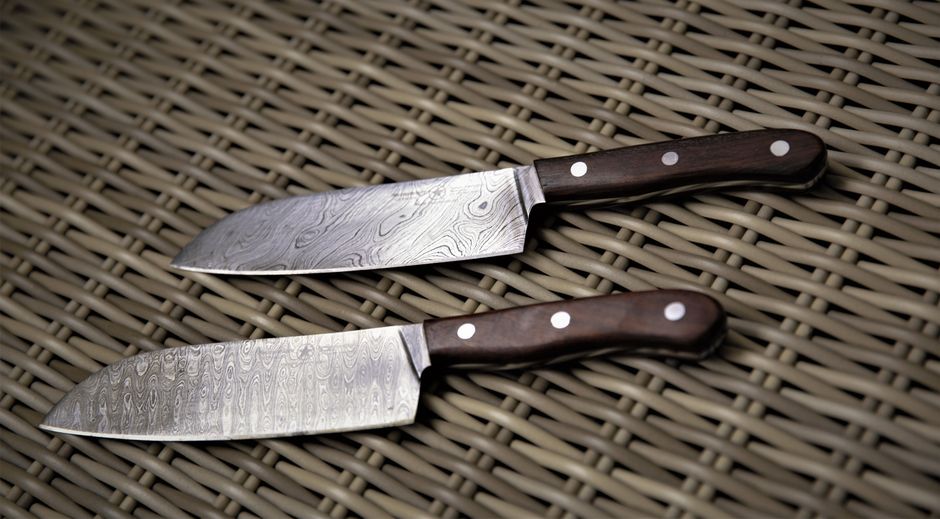
The Victorinox Fibrox Pro Santoku shows up on kitchen knife lists everywhere—500+ Amazon reviews averaging 4.3 stars. But does that translate to actual value for someone juggling weeknight dinners, meal prep, and a dishwasher that's already overflowing? I tested this knife against what busy home cooks actually need: speed, reliability, and something that won't require a second mortgage payment.
Most people don't need a $200 Japanese blade gathering dust in a knife block. What they need is something that handles chicken breasts, vegetables, and salmon without drama—and doesn't require babying. The Victorinox Fibrox Pro Santoku sits in an interesting middle ground. Let's break down whether the hype holds up when you're standing at the cutting board at 6 PM on a Tuesday.
The Victorinox Fibrox Pro Santoku earned its 4.3-star rating honestly. At $40-60, it's a low-risk knife that actually performs. It won't replace a $150 Tojiro for professional-level slicing, but it genuinely outperforms knives double its price when your priorities are durability, grip reliability, and practical cooking speed. If you're a busy parent or working professional who needs a third knife without spending serious money, this delivers. If you're chasing the "best santoku ever" aesthetic or exclusively prep ingredients that demand paper-thin cuts, keep saving. For most real kitchens though? This one pays for itself in the first month of use.
Check Current Price on Amazon →Also available from our trusted partners:
Tormek →A santoku excels at slicing vegetables and boneless proteins with a vertical chopping motion, while a chef's knife rocks through bones and handles heavier abuse. For meal prep focused on chicken, fish, and vegetables (which describes most weeknight dinners), the santoku is faster—the flatter blade edge creates more contact with the cutting board. However, if you're also breaking down whole chickens or working with bones, you'd benefit from keeping a chef's knife alongside this one.
Fibrox absolutely beats slippery stainless steel, especially when your hands are wet or soapy. It grips like silicone but doesn't degrade. Compared to wood: Fibrox requires zero maintenance, survives the dishwasher (wood needs hand-washing), and maintains grip consistency year-round. Wood looks better on a magnetic strip, but Fibrox wins on practicality and reliability—which matters more if you're cooking five nights a week.
Yes, realistically. The Fibrox handle is engineered to handle repeated dishwasher cycles without degrading. The blade will lose sharpness like any knife (more frequently if dishwashed), but the steel quality keeps it responsive to sharpening. Expect to sharpen every 4-6 months with regular use if dishwashed, or every 8-10 months with hand-washing. The construction doesn't have weak points that fail—Victorinox warranties are solid because these knives simply last.
Found this helpful? Share it!
Our team reviews cookware, appliances, and kitchen gadgets for home chefs so you don't have to. Every recommendation is based on real research: customer reviews, expert opinions, and value for money. Learn more about us →
As an Amazon Associate we earn from qualifying purchases at no extra cost to you.
← Back to Best Kitchen Picks Daily| Retailer | Price Range | Shipping | Link |
|---|---|---|---|
| Amazon | Check Current Price | Free (Prime) | View on Amazon → |
| Walmart | Check Site | Free over $35 | Search → |
| Target | Check Site | Free over $35 | Search → |
Prices may vary. Click through to each retailer for current pricing.
Video results for: Victorinox Fibrox Pro Santoku 7