Photo: Pavel Danilyuk / Pexels
If you're standing in your kitchen waiting for coffee, the question "How long will this take?" matters more than product marketing suggests. Brewing time varies dramatically depending on which type of coffee maker you choose—from 25 seconds for espresso to 10+ minutes for a full drip pot. But speed isn't everything; extraction quality, convenience, and your morning routine all factor into which machine actually makes sense for you.
This guide breaks down real brew times across the main coffee maker types you'll encounter, with honest trade-offs for each. We've pulled data from actual machine specifications and brewing science to help you understand not just how long coffee takes, but why.
Before purchasing a coffee maker, consider your daily routine and tolerance for wait times—espresso machines brew in seconds but require skill, while pour-overs take 3-4 minutes but offer simplicity, and drip makers need 5-10 minutes but brew larger quantities hands-free. Match the brewing time to your morning schedule and household size to avoid buying a machine that either frustrates you with slowness or produces more coffee than you'll drink.
The workhorse of American kitchens. A standard 12-cup drip machine heats water to 195–205°F (the optimal extraction temperature) in the first 1–2 minutes, then passes it through the grounds over 6–8 more minutes. Total brew time: 5–10 minutes, with 7–8 minutes typical for a full pot. Some machines include a pre-brew soaking phase that adds 30 seconds to 1 minute but improves flavor extraction by allowing the grounds to bloom before full water contact.
The heating element wattage and water volume determine speed—higher-wattage machines reach brewing temperature faster. These makers prioritize volume over speed.
Best for: Households that brew a full pot for multiple people, or anyone who doesn't mind a 7–10 minute wait in exchange for simplicity and consistent results.
These brewers heat water on-demand and force it through a single pre-packaged pod, bypassing the heating lag of larger machines. Typical brew time: 1–3 minutes from start to cup. Some premium single-serve models reach brewing temperature even faster by using flow-through heating elements instead of reservoirs. You're trading volume (one cup per cycle) for speed and convenience.
No measurement or cleanup required beyond inserting a pod and disposing of it. The per-cup cost is higher than drip, but the time savings appeal to busy mornings.
Best for: Solo drinkers or households where people grab coffee at different times. Best if you value speed and convenience over budget-per-cup.
A manual steeping method, not a machine. You pour hot water over coarse grounds and let them steep for approximately 4 minutes, then press the plunger down to separate grounds from liquid. Steep time is fixed by the brewing process itself—shorter steeps under-extract, longer ones over-extract and turn bitter.
French presses don't have heating elements, so you control water temperature yourself. Total time (including heating water separately and steeping) is typically 5–8 minutes depending on your kettle. The payoff is fuller-bodied coffee because the paper-free brewing method allows fine particles and oils through.
Best for: Coffee enthusiasts willing to spend an extra few minutes for richer flavor, and those who prefer manual control over automation.
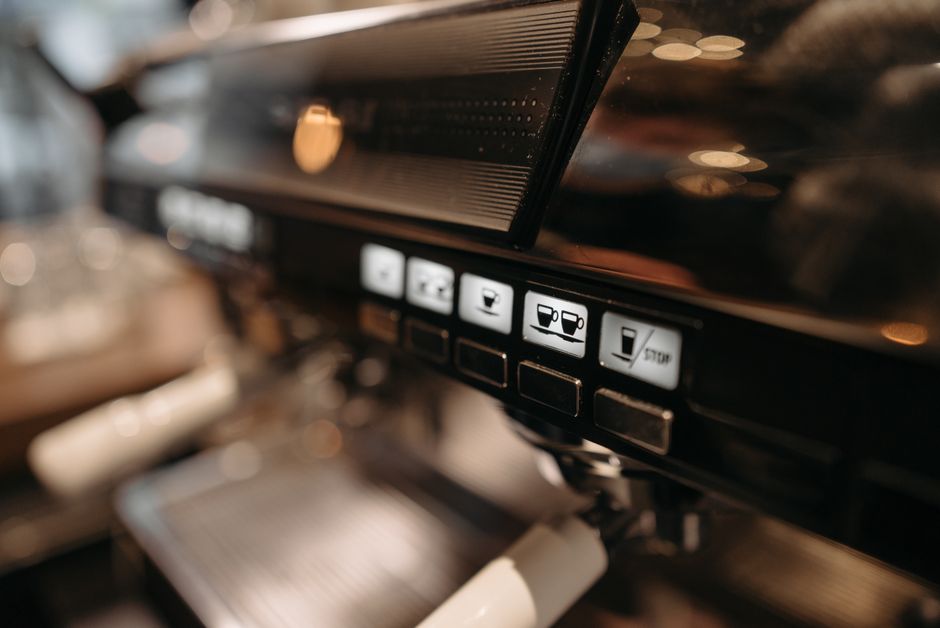
Espresso forces pressurized hot water through finely-ground coffee in seconds. Shot extraction time: 25–30 seconds. However, the machine itself requires 8–15 minutes to heat up before your first shot (depending on machine type—superautomatic machines heat faster than manual lever machines). Once heated, subsequent shots are ready in under a minute.
This is the fastest per-shot brewing but requires the longest machine warm-up. Most of the wait is before you start, not during brewing.
Best for: Espresso drink enthusiasts (lattes, cappuccinos) who are willing to wait for machine warm-up but value the speed once it's ready. Less suitable for drip-coffee drinkers.
Some multi-cookers include a brewing function that heats and brews coffee as part of their wider appliance feature set. Brew times typically align with standard drip (5–10 minutes) but add the overhead of the device heating up if it's not already running. These are kitchen-integration plays rather than dedicated coffee machines.
Useful only if you're already using the device for other cooking that day or prefer consolidating appliances.
Best for: Minimalist kitchens or people who already own and use a multi-cooker regularly for other tasks.
If you have 5+ minutes: A standard drip maker (7–8 minute typical brew time) is the best value for households that brew once and serve multiple people. Pre-brew soaking adds a minute but noticeably improves flavor extraction, making it worth the trade-off if you care about taste.
If you have 2 minutes: Single-serve pod makers (Keurig-style, 1–3 minutes) are genuinely faster and require zero measurement. Accept that you'll pay more per cup and generate pod waste as the trade-off.
If you're willing to invest 4–5 minutes for flavor: A French press beats drip coffee makers for taste and beats single-serve makers on per-cup cost. The only downside is you're doing active work (pouring, pressing) instead of pressing a button.
If you drink espresso drinks: Espresso machines are the only real choice, but budget 8–15 minutes for warm-up on the first use. After that, shots brew in 25–30 seconds. Regular drip-coffee drinkers should skip espresso machines unless you specifically want lattes or cappuccinos—the complexity and cost don't justify it for black coffee.
The honest verdict: brew time and flavor quality move in opposite directions. Faster machines (single-serve) cut corners on taste. Better-tasting methods (French press, espresso) take more time or attention. Standard drip makers split the difference, offering acceptable flavor in a reasonable time frame with minimal effort. Choose based on your morning priorities, not marketing claims.
Water that's too cool (below 195°F) extracts slowly and incompletely, dragging out brew time without improving flavor. Water that's too hot (above 205°F) over-extracts, making coffee bitter. Machines heat to 195–205°F to balance extraction speed and flavor. This is why the initial heating phase (1–2 minutes on drip makers) is critical—if your machine doesn't reach proper temperature, the grounds spend longer in contact with water, extending total time.
Yes. Finer grinds have more surface area and extract faster; coarser grinds extract slower. This is why espresso (ultra-fine grounds, high pressure, 25–30 seconds) brews so quickly, while French press (coarse grounds, low pressure, 4 minutes) takes longer. If you want to speed up a drip maker, using slightly finer grounds can shorten brew time by 1–2 minutes, but you risk over-extraction and bitterness if you go too far.
Slightly. A 4-cup brew in a drip maker is faster than a full 12-cup because there's less water to heat initially and less ground to extract through. But the extraction process itself doesn't change much—you're looking at 1–2 minutes difference at most. Single-serve makers are faster per cup precisely because they're brewing less volume each time.
Single-serve pod makers (1–3 minutes total) are fastest because they skip the large water reservoir heating phase. Espresso machines are close but require 8–15 minute warm-up first. If your espresso machine is already on, yes, it's faster. If it's cold, a Keurig beats it. For the absolute fastest workflow: pre-program a drip maker to start brewing before you wake up, so coffee is ready when you arrive in the kitchen.
Yes, if you care about flavor. Pre-brew soaking (also called blooming) lets grounds absorb water and release CO₂ before full extraction begins. This improves flavor clarity and reduces bitterness. The downside is 30 seconds to 1 minute added to total brew time. If you're in a rush, skip it. If you have 8–9 minutes instead of 7–8, the flavor improvement is noticeable.
Found this helpful? Share it!
Our team reviews cookware, appliances, and kitchen gadgets for home chefs so you don't have to. Every recommendation is based on real research: customer reviews, expert opinions, and value for money. Learn more about us →
This post contains affiliate links. We may earn a commission if you purchase through our links at no extra cost to you.
← Back to Best Kitchen Picks Daily| Retailer | Price Range | Shipping | Link |
|---|---|---|---|
| Amazon | Check Current Price | Free (Prime) | View on Amazon → |
| Walmart | Check Site | Free over $35 | Search → |
| Target | Check Site | Free over $35 | Search → |
Prices may vary. Click through to each retailer for current pricing.