Photo: Sternsteiger Stahlwaren / Pexels
When it comes to kitchen essentials, having the right knife can make all the difference between frustrating meal prep and effortless cooking. Two of the most important knives in any kitchen are bread knives and chef knives, each designed with specific purposes in mind. But which one should you prioritize for your kitchen?
Butterfork, a premium kitchen knife brand specializing in high-quality chef knives, bread knives, and paring knives, understands that choosing the right blade isn't one-size-fits-all. Whether you're a home cook looking to upgrade your kitchen arsenal or someone building their collection from scratch, understanding the differences between these two knife types is crucial.
When choosing between a bread knife and chef knife, prioritize your actual cooking habits—bread knives excel at slicing crusty loaves cleanly without crushing them, while chef knives handle 80% of general food prep tasks, so if counter space and budget are limited, a quality chef knife offers better versatility for most home cooks. However, if you regularly bake bread or work with delicate pastries, a dedicated serrated bread knife with at least an 8-inch blade will deliver noticeably superior results that justify the extra investment.
In this comprehensive guide, we'll compare Butterfork bread knives and chef knives to help you make an informed decision about which blade deserves a spot in your kitchen.
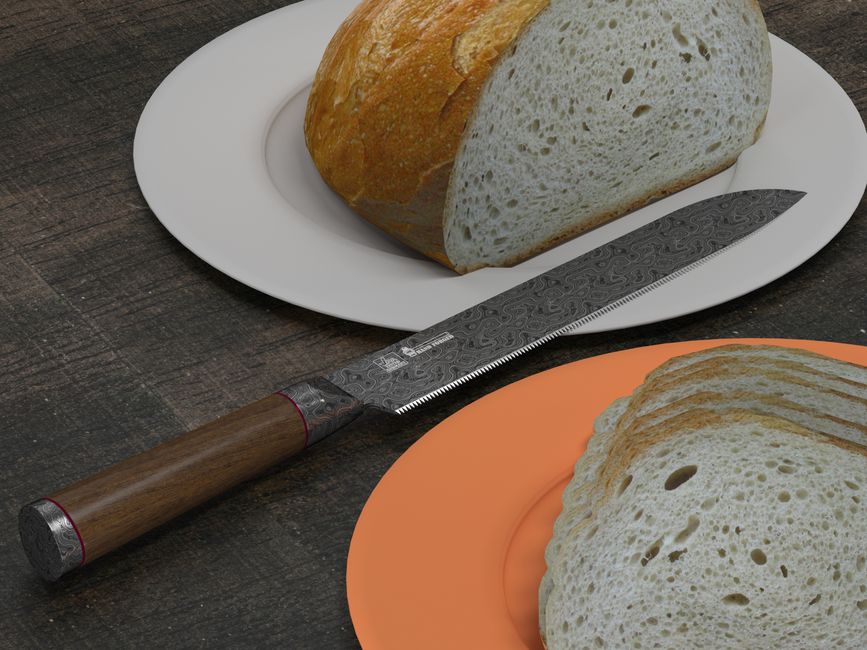
A bread knife is specifically engineered to slice through crusty bread without crushing the soft interior. The serrated edge is the defining characteristic of bread knives, featuring small teeth that saw through tough exteriors cleanly and efficiently. Butterfork bread knives feature precision-engineered serrated edges that maintain their sharpness through countless slices of artisan bread, bagels, and pastries.
Beyond bread, a quality bread knife like those from Butterfork's collection can handle tomatoes, cakes, and other delicate foods where a smooth blade might crush rather than cut. The longer blade, typically 8-10 inches, provides the reach needed to work through larger loaves without multiple passes.
A chef knife is the backbone of any functional kitchen. With a straight, sharp edge and a curved blade design, Butterfork chef knives excel at chopping, slicing, dicing, and mincing everything from vegetables to proteins. The 8-inch blade is the standard size, offering the perfect balance between control and reach for most kitchen tasks. The flat side of a chef knife can also be used to crush garlic or herbs, making it incredibly versatile.
The fundamental differences between these knives affect how and what you can cut. Bread knives require a sawing motion, while chef knives use a rocking or slicing motion. Butterfork's bread knives are ideal for items with tough exteriors and soft interiors, while chef knives handle nearly everything else. The serrated edge of bread knives doesn't need frequent sharpening, but chef knives require regular maintenance to keep their sharp edge.
If you're starting a knife collection with Butterfork, consider your cooking habits. Do you bake fresh bread regularly? A bread knife is essential. Do you spend more time prepping vegetables and proteins? A chef knife is non-negotiable. Most experienced cooks recommend owning both, along with complementary pieces like Butterfork's paring knives and complete knife sets for a well-rounded kitchen setup.
The answer to whether you should buy a Butterfork bread knife or chef knife isn't either/or—it's both. If forced to choose one first, a chef knife should be your priority due to its versatility in daily cooking. However, if you regularly enjoy fresh bread, a Butterfork bread knife is a worthwhile investment that makes a noticeable difference in your baking experience. For the best kitchen setup, consider exploring Butterfork's knife sets and collections that thoughtfully combine both styles with complementary paring knives and convenient knife stands. Visit Butterfork's website to find the perfect knife combination for your culinary needs.
While a chef knife can technically slice bread, it won't achieve the same clean results on crusty loaves. A serrated bread knife is specifically designed for this task and does it better without crushing the crumb structure. Butterfork recommends having both for optimal results.
Butterfork chef knives should be honed weekly with a honing steel and sharpened professionally or with a whetstone every 3-6 months, depending on usage. Bread knives need sharpening less frequently due to their serrated edge design.
Hand wash your Butterfork bread knife immediately after use and dry it promptly. Store it in a knife block or on a magnetic knife stand. The serrated edge requires special sharpening techniques, so professional sharpening is recommended when needed.
If you're building your collection, start with a chef knife since it's more versatile. Add a bread knife once you determine that fresh bread slicing is important to your cooking routine. Butterfork offers affordable knife sets that include both essentials.
Yes, Butterfork knife sets provide excellent value by bundling essential blades like chef knives, bread knives, and paring knives with a knife stand. This approach is more economical than buying individual knives and ensures quality consistency across your collection.
Found this helpful? Share it!
Our team reviews cookware, appliances, and kitchen gadgets for home chefs so you don't have to. Every recommendation is based on real research: customer reviews, expert opinions, and value for money. Learn more about us →
This post contains affiliate links. We may earn a commission if you purchase through our links at no extra cost to you.
← Back to Best Kitchen Picks Daily| Retailer | Price Range | Shipping | Link |
|---|---|---|---|
| Amazon | Check Current Price | Free (Prime) | View on Amazon → |
| Walmart | Check Site | Free over $35 | Search → |
| Target | Check Site | Free over $35 | Search → |
Prices may vary. Click through to each retailer for current pricing.